


Glass Balustrades vs Traditional Railings: Which Option Actually Makes Sense for Your Home?
January 23, 2026
Choosing between glass balustrades and traditional railings only makes sense when you compare what matters most for your home: style, safety, maintenance and long-term value. If you are a homeowner, renovator, or builder weighing up options for a balcony, staircase, deck, or pool area, this decision can have a bigger impact than most people expect, because the right balustrade does not just improve the look of your space; it also affects visibility, compliance, cleaning, durability and resale appeal.
At Poolsafe Fencing, we often help clients looking for glass balustrades in Sydney understand the practical differences between modern glass systems and classic railing designs so they can invest wisely.
In this article, you will learn how both options compare in appearance, engineering strength, real-world upkeep, renovation suitability for older versus newer homes and cost considerations beyond the initial quote.
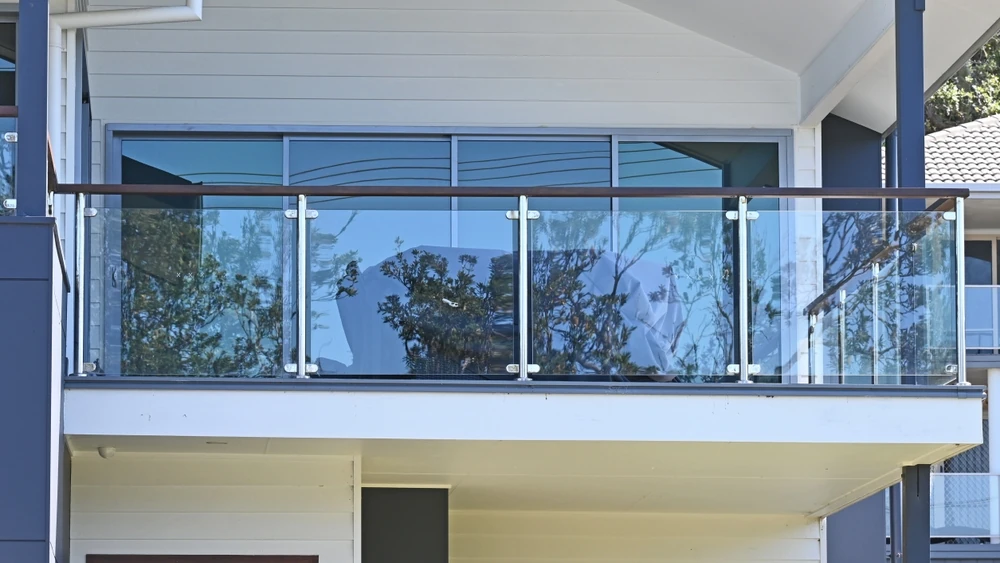
Before most homeowners ask about strength ratings or installation details, they usually focus on one thing first: how it will look. That is because balustrades are not hidden structural items. They sit right at eye level on staircases, balconies, decks and pool zones, meaning they influence your daily experience of the space.
In Australian homes where open-plan living and outdoor entertaining are so common, the “feel” of a balustrade matters just as much as its function. Some designs create openness and light, while others bring structure and character. The choice you make can determine whether your space feels bigger and brighter or more enclosed and traditional.
Glass balustrades are known for one major benefit: they keep your space visually open. Light passes through, views remain uninterrupted and the barrier almost disappears from a distance.
This is particularly valuable for:
Traditional railings create a different visual effect. They introduce lines, posts and spacing that can “frame” the space. Some homeowners prefer this because it adds design detail, but in smaller areas it can sometimes make the space feel more closed in.
Balustrades can either help your indoor-outdoor connection feel seamless, or they can visually separate spaces. This becomes obvious in homes with large sliding doors, wraparound decks, or alfresco areas.
Glass tends to improve flow because it does not interrupt sightlines. It makes transitions feel smoother, particularly in modern renovations and coastal builds. Traditional railings can still work well, especially if your home has strong architectural detail and you want the balustrade to feel like part of the design rather than something you are trying to hide.
When it comes to balustrades, safety always comes first. In Australia, balustrades must meet strict compliance requirements, particularly for elevated areas like balconies, verandas and staircases. But beyond compliance, it is also about real-world performance: how the barrier holds up to daily use, weather exposure and long-term structural pressure.
Some homeowners assume glass is less safe because it looks lighter. Others assume railings are stronger because the structure appears “solid”. In reality, both can be excellent options when installed correctly. The real difference is how each performs depending on environment, design and materials.
Modern glass balustrades are not made from standard household glass. They are engineered safety systems designed to handle load and impact in everyday conditions.
High-quality systems typically use:
In practical terms, glass balustrades are built to:
This is why glass is widely used across Australian homes for decks, balconies, staircases and pool barriers. It looks modern, but it is also designed to perform under pressure.
Traditional railings still make sense in many homes and are often preferred for certain architectural styles. Depending on material choice, they can be extremely durable, particularly where environmental exposure is harsher.
Railings perform well when:
That said, the performance of a railing depends heavily on the material:
So while railings remain a solid option, it is important to match the design and material to your local climate and exposure level.
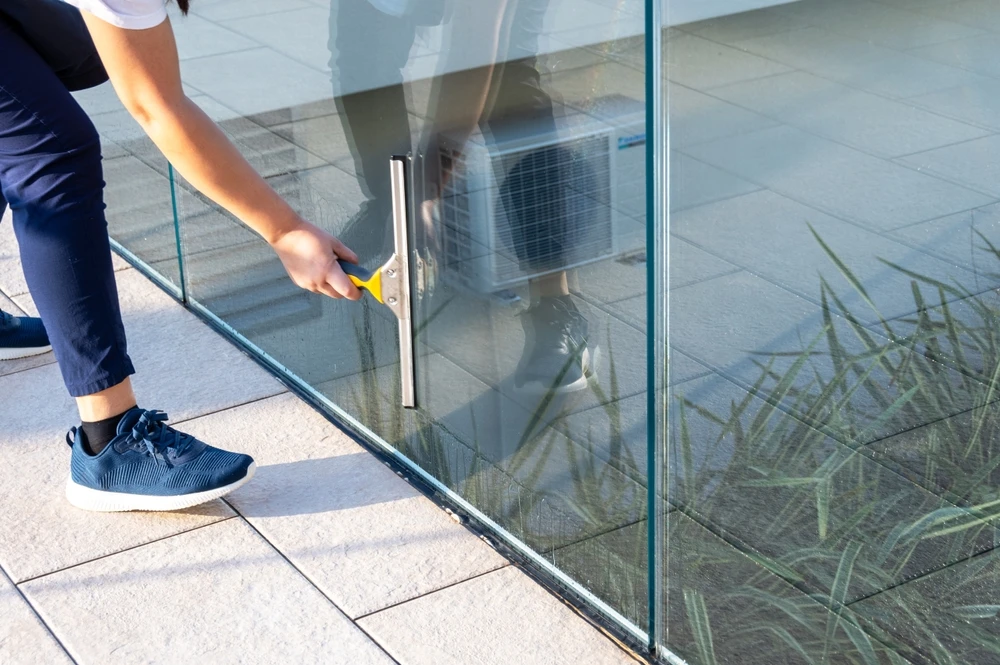
Maintenance is where most homeowners get surprised, because expectations are often based on appearance rather than reality. Glass looks like it would require constant cleaning. Railings look like they would be set-and-forget. But in practice, both require upkeep, just in different forms.
The smarter question is not “Which needs maintenance?”, but “What kind of maintenance are you realistically willing to do?” Some people are happy to wipe down glass every so often. Others would rather avoid regular cleaning but are comfortable repainting or touching up surfaces over time.
Glass balustrades can show marks more easily, especially fingerprints, water spotting and salt residue in coastal areas. Around pools, chemical mist and splashback can also create a cloudy look if left too long.
However, cleaning glass is usually simple. A quick clean every couple of weeks can keep it looking premium year-round.
Traditional railings may hide grime better day-to-day, but they are not maintenance-free. Dust, mould and weathering still build up, especially on horizontal rails and corners.
The real difference is:
Australian weather plays a major role in ageing. UV, storms, humidity and coastal air all accelerate wear, especially on metal coatings and timber finishes.
Over time, railings may face:
Glass itself does not corrode, fade, or warp. But the hardware still matters. In coastal areas, high-quality marine-grade components become important to avoid corrosion of brackets, fixings, or base channels.
So while glass may be cleaner-looking long-term, railings can require more restoration work over the years depending on the material.
Not all balustrades suit all homes. A design that looks stunning on a new build can look out of place on an older property. Likewise, a classic railing design may feel too heavy or outdated on a contemporary renovation.
This is why renovation fit matters so much, especially in Australia, where many homeowners are upgrading older homes rather than building from scratch. The right balustrade should feel like it belongs, both visually and financially, meaning it should improve the home without overcapitalising.
For older properties, the goal is usually one of two things:
Glass balustrades can be an excellent option when the renovation is more modern, especially if you are opening up the layout or upgrading outdoor entertaining areas. It can instantly make a space feel more premium and contemporary.
Traditional railings may be the better fit when you want to protect the home’s era and charm. Decorative railings and classic materials often suit federation-style homes, older brick properties and homes with timber detailing.
The key is balance. The balustrade should match the renovation scope and suburb expectations so the investment makes sense.
Matching means more than style. It also means colour, finishes and the way the balustrade interacts with your property features like cladding, brick, windows, tiles, or decking.
As a general guide:
The best results come from choosing a balustrade that complements what is already there, rather than fighting against the architecture.
Cost is often the final deciding factor, but many homeowners compare costs in a way that is too narrow. A quote only shows the installation price. It does not show long-term value, replacement risk, maintenance costs, or the likelihood of repairs.
In many Australian homes, the most expensive option is not always glass. Custom railings, premium finishes, or extensive repainting and restoration work over time can add up quickly. The smartest approach is to compare both upfront and ongoing costs.
Glass balustrades often cost more initially because:
Traditional railings may come in lower upfront in some cases, especially if the design is simple and uses standard panels. However, pricing increases quickly if you want:
So rather than assuming one is automatically cheaper, it is better to compare like-for-like and consider site complexity.
Ongoing costs are where homeowners often change their minds after a few years.
Glass ongoing considerations usually include:
Railings ongoing considerations can include:
When you consider the full lifespan of the balustrade, the option that “makes sense” is often the one that stays attractive and safe without requiring constant restoration.
The truth is both options can be the right choice, as long as they match your home, climate exposure and long-term expectations.
Glass balustrades usually make the most sense when you want a modern look, open views and long-term visual appeal with minimal material ageing. Traditional railings often make the most sense when you need to match older architecture, want more design character, or prefer a stronger visible barrier style.
At Poolsafe Fencing, we always recommend choosing the option that fits your home’s structure, style and environment, not just what appears cheapest upfront, because a balustrade should not only look good on install day, it should still feel like a smart investment years later.

