


How to Maintain Glass Balustrades in Sydney’s Coastal Climate
April 7, 2026
Looking after glass balustrades in Sydney’s coastal climate takes more than the occasional wipe-down. Compared with installations further inland, balustrades near the coast are exposed to salt-laden air, strong UV, wind and persistent moisture that can quickly affect both the glass and the hardware if maintenance is neglected. Poolsafe Fencing understands how these local conditions influence long-term performance and why the right cleaning, inspection and upkeep routine matters.
This article explains how coastal exposure affects glass balustrades, what kind of cleaning schedule suits Sydney’s beachside suburbs and which maintenance habits help protect both appearance and structural integrity. It also looks at the early warning signs of corrosion, movement and surface wear, along with the differences between maintaining frameless and semi-frameless systems. With a practical maintenance approach, glass balustrades can stay safe, compliant and visually clear for years, even in harsh marine conditions.
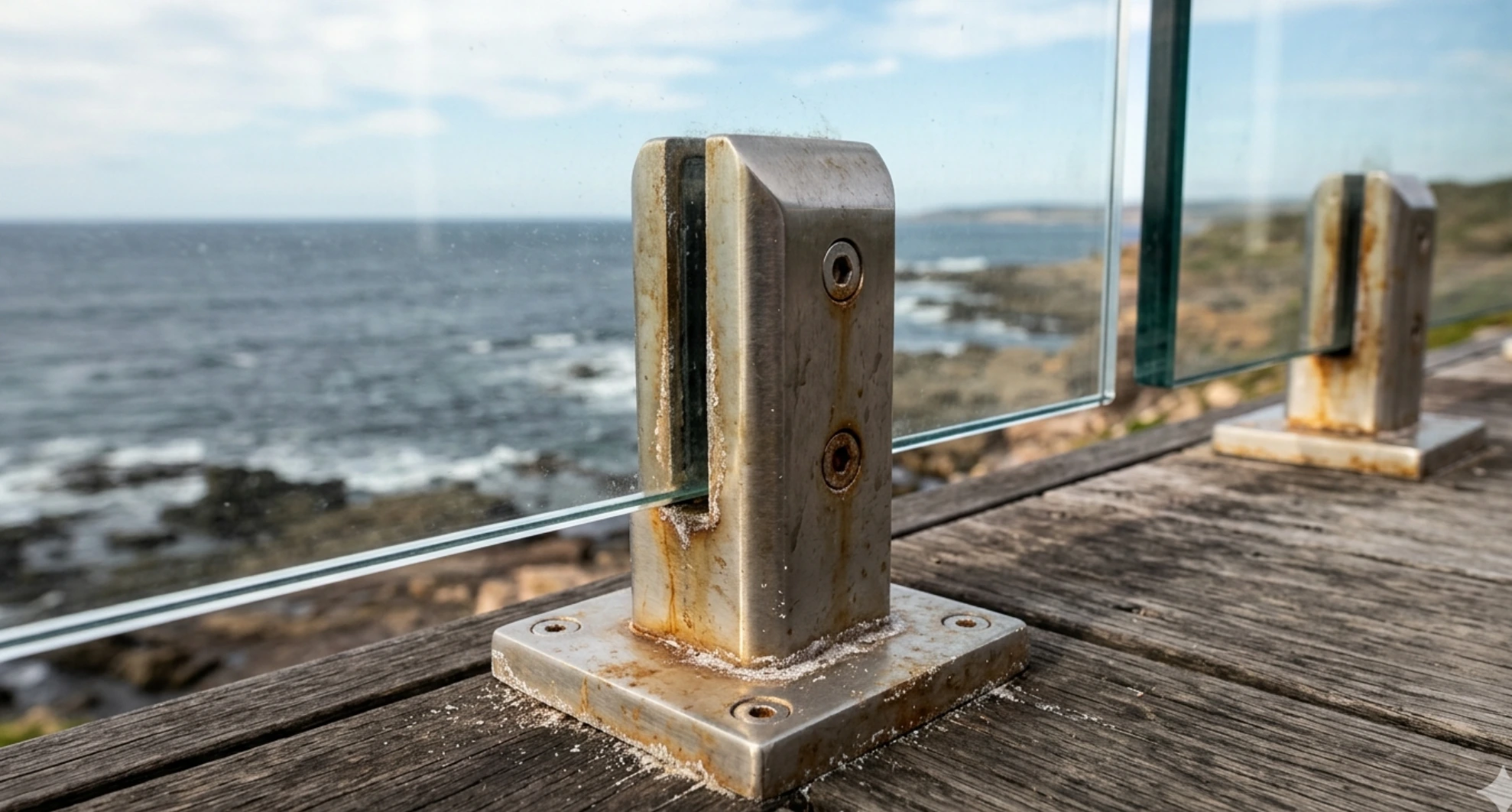
Sydney’s coastal climate creates a far more demanding environment for glass balustrades than many homeowners realise. Salt carried in the air settles on glass and metal surfaces, moisture lingers for longer and strong sunlight gradually breaks down vulnerable materials such as seals and gaskets. Over time, this combination can reduce clarity, damage hardware and shorten the life of the installation if it is not properly maintained.
The glass itself does not rust, but that does not mean it is immune to coastal wear. Salt deposits, sand abrasion, mineral staining and neglected hardware can all affect the appearance and performance of the system. Understanding these local conditions is the first step in choosing the right cleaning routine, inspection schedule and long-term care plan.
Sea spray and salt-laden air do not just affect homes directly on the waterfront. In many Sydney suburbs, salt can travel well inland and settle on glass panels, fixings and surrounding surfaces. Once deposited, salt draws in moisture and forms a thin film that holds dirt, pollutants and minerals against the glass.
If this buildup is not removed regularly, it can leave the glass looking cloudy or streaky and may eventually contribute to surface etching. Around pools, the issue is often worse because moisture is coming from more than one direction. Humidity, condensation and splashing all keep surfaces damp for longer, which allows salt residue and grime to cling more stubbornly.
While the glass panels are usually the first thing people notice, the metal components are often the most vulnerable part of the system in coastal conditions. Spigots, posts, clamps, brackets and bolts are all exposed to salt and moisture, and without proper care they can begin to show corrosion surprisingly quickly.
This often starts as tea staining on stainless steel, followed by pitting, discolouration or roughness on the surface. In more serious cases, corrosion can affect the performance of fixings and anchoring points. Properties near beaches, headlands and exposed waterfronts are especially vulnerable, as they receive heavier and more frequent salt spray, often driven into crevices by wind and rain.
Coastal exposure is not only about salt. Sydney’s strong UV can gradually age rubber gaskets, sealants and protective coatings, causing them to dry out, crack or shrink. Once this happens, water and salt are more easily able to reach the areas that are meant to stay protected.
Thermal stress also plays a part. Glass and metal heat up during the day and cool quickly in the evening, especially when exposed to sea breezes. Over time, this cycle of expansion and contraction can place stress on joints, seals and fixings. Windblown sand and grit can also leave fine scratches on both the glass and metal surfaces if the balustrade is not cleaned carefully.
Cleaning glass balustrades in coastal Sydney is not just about keeping them looking good. Regular cleaning removes salt, grit and mineral deposits before they can damage the surface or affect nearby hardware. The key is to clean often enough to prevent buildup without using methods that scratch the glass or harm the fittings.
A gentle, consistent approach works far better than occasional aggressive cleaning. Salt crystals and fine sand are often the main culprits behind dullness and scratching, which means the order of cleaning matters just as much as the products used.
Harsh cleaners can do more harm than good, especially when used repeatedly in a coastal environment. Mild products are usually all that is needed for routine maintenance and are far less likely to damage the glass or surrounding hardware.
Suitable options include fresh water, a small amount of pH-neutral dishwashing liquid in lukewarm water, and commercial glass cleaners that are labelled safe for toughened glass and non-ammonia where possible. Microfibre cloths, soft sponges and a good-quality squeegee are ideal tools for regular cleaning.
Abrasive creams, scouring pads, steel wool and strong acidic or chlorine-based cleaners should be avoided. These can scratch the glass, damage the protective surface of stainless steel and leave the hardware more vulnerable to corrosion.
In coastal areas, the biggest cleaning mistake is wiping salt and grit across dry glass. That is what causes many of the fine scratches that become visible in direct sunlight. The first step should always be a thorough rinse with low-pressure fresh water to remove loose salt, sand and dust.
Once the surface has been rinsed, wash the panels with a soft cloth or sponge using a mild soapy solution. Work methodically and avoid pressing hard. Straight wiping motions are generally better than circular scrubbing, especially where there may still be fine grit on the surface. After washing, rinse again if needed and remove water with a squeegee, wiping the blade between passes. Finish with a clean dry microfibre cloth to clear any remaining droplets around edges or fittings.
It is also important to change dirty water and cloths during cleaning. Reusing gritty water is one of the quickest ways to introduce light scratching across the surface.
Not all marks on coastal glass are ordinary dirt. Hard water spotting, salt crusting and mineral deposits can become difficult to remove if they are left too long. These marks should be treated gently and with products specifically intended for glass restoration or hard water stain removal that are safe for toughened glass.
Areas around spigots, posts and silicone joints often need extra attention because salt and grime collect there first. A soft detailing brush can help clean around these areas without damaging the finish. If staining does not lift with suitable non-abrasive methods, it is better to seek professional help than to resort to harsh pads or aggressive chemicals that may permanently damage the glass.
Corrosion prevention is one of the most important aspects of coastal balustrade maintenance. Even high-quality hardware can deteriorate if salt is allowed to sit on the surface for long periods. This is particularly important around pools and balconies where the balustrade is relied on for safety as well as appearance.
The most effective approach combines the right materials, regular washing and early action when signs of corrosion first appear.
The durability of a balustrade starts with correct specification. In Sydney’s coastal suburbs, marine-grade 316 or 316L stainless steel is generally the preferred choice for exposed hardware such as spigots, posts, brackets and visible fixings. Lower grades are more likely to develop staining and corrosion in marine conditions.
It is also important that hidden fasteners and anchors are of an appropriate grade. Mixing dissimilar metals can trigger galvanic corrosion, particularly in damp and salty environments. A smoother finish on metal components also tends to perform better because it traps less salt and is easier to clean.
Routine washing is the simplest and most effective way to reduce corrosion risk. Salt left on stainless steel holds moisture against the surface and encourages tea staining and pitting. In highly exposed coastal locations, metal components should be cleaned more often than many people expect.
For homes very close to the coast, rinsing and washing every one to two weeks is often appropriate. Further inland, every three to four weeks may be enough, depending on exposure. Use fresh water, a mild pH-neutral detergent and a soft cloth or sponge, then rinse thoroughly. Drying the hardware where practical can also help reduce spotting and residue.
Particular attention should be given to the bases of spigots, bolt heads, undersides of fittings and any recessed areas where water and salt tend to collect.
Corrosion is much easier to manage when caught early. Light brown tea staining, rough patches, minor pitting or discolouration should not be ignored, even if the balustrade still feels solid. These are signs that the protective surface of the metal is being compromised.
A suitable non-abrasive stainless steel cleaner or protective treatment designed for marine conditions can help restore and protect the surface when used correctly. However, if corrosion is advanced or the condition of the fixings is uncertain, a qualified professional should inspect the system. Once structural components begin to deteriorate, appearance is no longer the main concern.
Cleaning and inspection should go hand in hand. In coastal settings, small problems can develop quietly between seasons, especially where salt, moisture and sun exposure are constant. Regular inspections help identify issues before they turn into expensive repairs or safety risks.
The right inspection frequency depends on how exposed the balustrade is, how close it is to the coast and whether it is installed around a pool, balcony or shared residential area.
A simple visual inspection once a month is a sensible baseline for most coastal properties. This can be done while cleaning and does not need to be complicated. The goal is to notice changes early rather than wait for obvious damage.
Look for chips, cracks or edge damage in the glass, any wobble or rattling in the panels, corrosion or staining on hardware, gaps opening around posts or walls, and signs that water is sitting where it should be draining away. Even minor movement should be taken seriously, especially around pools and balconies where the balustrade performs a safety function.
A more thorough inspection should be carried out at least every six months, and more often for properties within close range of the ocean or on exposed sites. This check should focus on fixings, anchors, seals, gaskets, drainage points and areas where debris may collect.
After severe weather, an additional inspection is worthwhile. Strong winds, driven rain and storm debris can all affect the alignment and condition of a balustrade, and salt-heavy rain can accelerate corrosion in hidden areas.
Homeowners can spot many early warning signs, but professional inspections still play an important role. For a typical residential installation, a professional assessment every two years is a sensible guide. For coastal pool fencing, exposed balconies or higher-traffic shared spaces, annual inspections are often more appropriate.
A qualified professional can assess fixings, anchoring, glass condition, alignment, compliance requirements and signs of fatigue that may not be obvious during everyday maintenance.
Balustrades rarely fail without warning. In most cases, signs of wear or deterioration appear gradually. The challenge is noticing them early enough to act before safety or compliance is affected.
In coastal areas, this usually means watching for changes in glass clarity, hardware condition and how stable the structure feels in daily use.
Persistent cloudy patches, milky staining, etched areas and rough spots can all point to salt or mineral damage. Streaking that returns quickly after cleaning may also indicate that deposits are building up and need more targeted treatment.
The edges of panels and the lower sections near paving or coping are often where damage shows first. Chips, fine cracks and impact marks should always be taken seriously, especially near corners, cut-outs or fixing points.
White crusting, brown discolouration, pitting, staining on surrounding tiles or concrete, and corrosion around bolt heads or base plates are all warning signs that the metal components are being affected by the coastal environment. Even if the damage appears superficial, it is worth addressing promptly.
Seized fittings, stiff hinges or latches, bubbling coatings on painted metal and drainage points showing rust-like staining may all indicate that corrosion is progressing beyond the surface.
Panels should not rattle in the wind or move when lightly pressed. Handrails should feel stable, and posts or spigots should not show visible looseness. Enlarging gaps, springiness in the structure, cracked grout around posts and misaligned panels all suggest that something is shifting.
Any noticeable movement should be treated as a safety issue. Coastal exposure, thermal expansion and ongoing moisture can gradually weaken fixings, so even a slight wobble deserves proper attention.
Frameless and semi-frameless glass balustrades both need consistent maintenance in coastal Sydney, but the areas of focus are slightly different. The glass panels require similar care in both systems, but the hardware layout changes where salt, grime and moisture are most likely to gather.
Understanding these differences helps homeowners target maintenance where it matters most.
Frameless balustrades usually have less visible metal, which can make them easier to clean overall. However, the hardware they do rely on, such as spigots or channel glazing, is critical to structural performance. These points need careful inspection because they carry the load of the glass with minimal visible framing.
In coastal areas, special attention should be given to the base of spigots, anchor points and any areas where water can sit. If a frameless panel shows movement, edge chipping or signs of stress near a fixing point, it should be inspected professionally without delay.
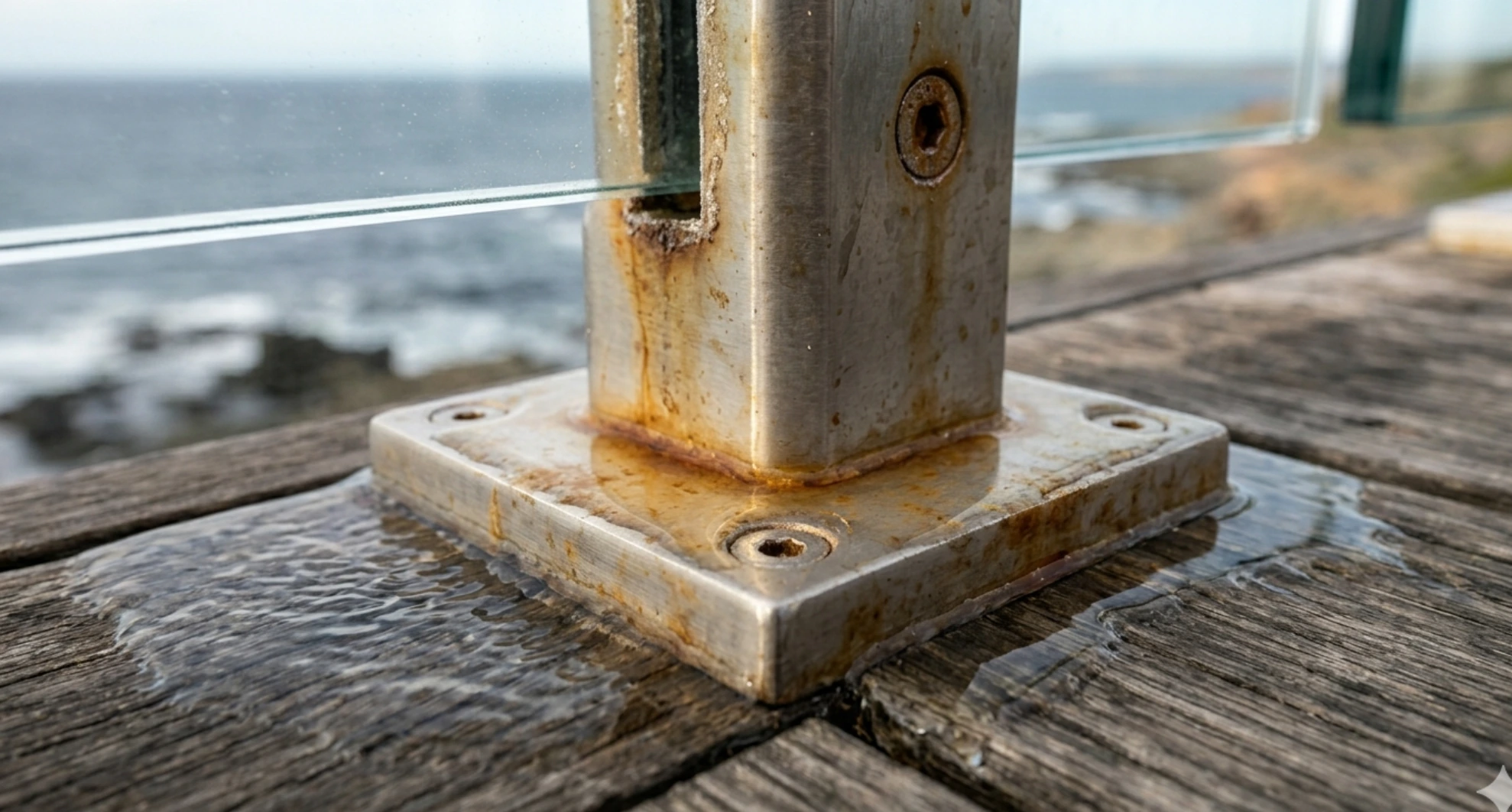
Semi-frameless systems introduce more posts, joinery points, fasteners and coated metal surfaces. This means there are more places for salt and grime to settle, and more components that need routine washing and inspection.
The junctions where glass meets posts, exposed screws, handrail connections and drainage points at the base of posts are all common trouble spots. Powder-coated surfaces should also be washed gently to reduce salt buildup and limit premature weathering from UV and marine exposure.
Routine cleaning and homeowner inspections go a long way, but there are times when professional servicing is the safer and more practical option. This includes visible corrosion that does not improve with proper cleaning, loose or misaligned panels, movement in posts or fixings, damaged seals, seized hardware and any chipped or cracked glass.
Professional servicing is also worth considering for older balustrades in exposed coastal locations, especially if maintenance has been irregular or the hardware grade is unknown. A qualified specialist can identify hidden corrosion, check structural integrity, replace compromised components and confirm the balustrade continues to meet relevant safety requirements.
Maintaining glass balustrades in Sydney’s coastal climate is about more than preserving a clean appearance. Salt air, UV, wind and moisture all place added pressure on the glass, fixings and surrounding materials, which means regular care is essential for long-term safety, durability and compliance.
With routine rinsing, gentle cleaning, regular inspections and early attention to corrosion or movement, glass balustrades can continue to perform well even in challenging marine conditions. Whether the system is frameless or semi-frameless, a consistent maintenance approach helps protect both the look of the installation and the investment behind it.

