


Pool Fence Compliance in Sydney: What Homeowners Need to Check Under Current Laws
January 27, 2026
Owning a swimming area in Sydney comes with serious responsibility, and staying on top of safety rules protects everyone and peace of mind. Our experts at Poolsafe Fencing see many homeowners surprised by how detailed the current requirements are and how small oversights can lead to real risks. These rules regarding pool fencing in Sydney are not about paperwork or penalties but about preventing accidents and keeping children safe around water at all times. A well-maintained barrier is one of the most effective safety measures any property can have.
Poolsafe Fencing works with homeowners every day who want clear, practical advice rather than confusing legal language. Many issues come from simple wear and tear or changes made around the home without realising they affect compliance. Understanding how the rules operate and what to check makes it far easier to stay on the right side of the law. A little knowledge upfront can prevent delays and costly fixes later on.
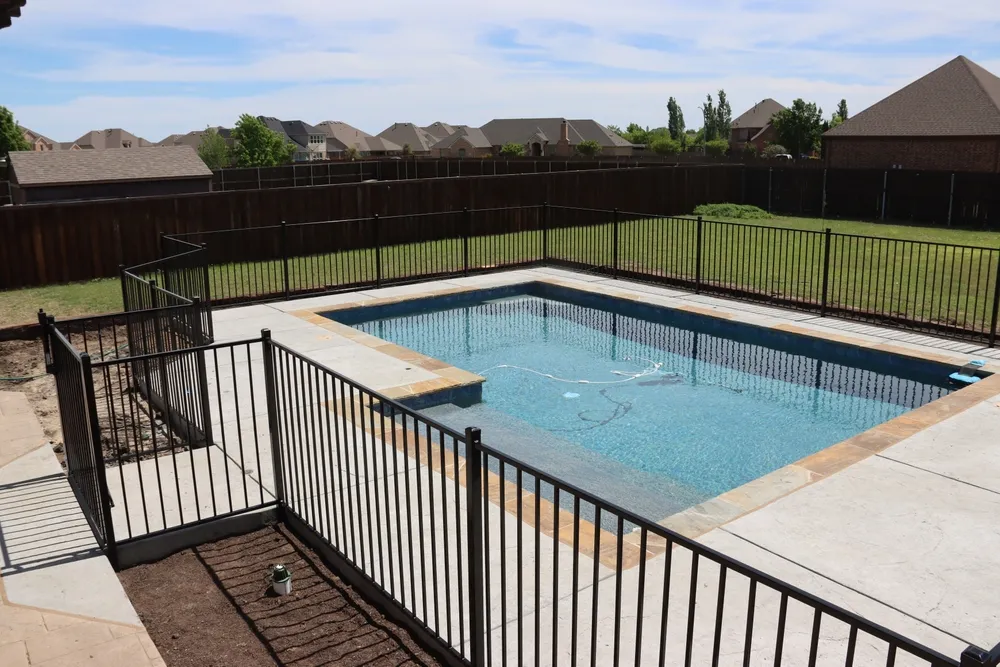
Pool fencing laws are designed to create a consistent safety standard across residential properties while allowing some flexibility based on the layout and age of the pool. The rules focus on physical barriers that prevent unsupervised access by young children. While the framework is set at a state level, enforcement happens closer to home. Knowing how these layers work together helps homeowners understand what is expected of their fence.
Pool fencing laws exist to reduce the risk of drowning by controlling access to water areas at all times. The emphasis is on creating a barrier that cannot be easily climbed or opened by a child. These rules apply whether a pool is used daily or only during warmer months.
The core aim is to restrict access so that children cannot enter the pool area without an adult actively opening a compliant gate and supervising entry. Design standards focus on height spacing and latch placement to remove footholds and other easy ways for children to climb over or squeeze through. Ongoing compliance matters because a fence that once met requirements can slowly become unsafe due to movement or wear.
These laws prioritise prevention over reaction and rely on physical design rather than supervision alone. A compliant fence acts as a constant safety net even when attention slips.
State legislation sets the minimum safety requirements that all residential pool barriers must meet. Local councils are responsible for inspections and enforcement of compliance issues on individual properties. This shared approach ensures consistency while allowing local oversight.
State rules define fence height or gate operation and non-climbable zones so expectations are clear across all properties. Councils carry out inspections or respond to complaints and issue notices when barriers fail to meet the required standard. Enforcement can occur during routine checks of property transactions or after reports from neighbours or visitors.
Understanding this relationship helps homeowners know why inspections happen and where compliance decisions come from. It also explains why requirements remain the same even if neighbouring properties appear different.
Pool fencing rules apply to most residential properties with a water area capable of holding a certain depth. These requirements are not limited to new installations and often extend to older pools. Even temporary or seldom-used pools can fall under the same obligations.
These rules ensure safety standards remain consistent across different property types and ages. Compliance is based on risk, not on how new or old the pool may be.
Many non-compliance problems are unintentional and develop over time rather than through poor installation. Small changes or weather damage often lead to breaches. Knowing the most common issues makes it easier to spot problems early.
Fence height and clear space rules are some of the most frequently overlooked compliance areas. These measurements are designed to prevent children from gaining leverage or climbing assistance. Even minor deviations can result in a non-compliant barrier.
Minimum height requirements apply to the entire barrier (including sections near slopes) retaining walls or raised ground. Non-climbable zones must be kept clear of objects like furniture or storage items that create climbing aids. Gaps beneath or between fence panels can widen over time due to ground movement or wear.
These details are easy to miss during everyday use but are often flagged during inspections. Regular visual checks help prevent gradual non-compliance.
Gates are a critical part of pool safety because they are the only intended access point. Over time gates can sag or latches can loosen and hinges can lose tension. These small changes can stop a gate from closing or latching properly.
Gates must swing away from the pool area and return to a fully closed position on their own. Latches need to be positioned at the correct height and remain secure without sticking or jamming. Hinges and springs require regular adjustment to maintain consistent closing force.
A gate that looks fine at a glance may fail under closer inspection. Regular testing ensures it performs as required every time.
Some homeowners assume existing boundary fencing automatically counts as part of the pool barrier. This is not always the case and can lead to serious compliance issues. Gaps and openings are also common problem areas.
Assumptions about existing fencing often cause compliance failures. Every section of the barrier needs to meet the same safety standard.
Homeowners can identify many compliance issues without special tools or technical knowledge. Regular checks help catch problems early before inspections or incidents occur. A proactive approach reduces stress and improves safety.
Many compliance elements can be reviewed through simple observation and hands-on testing. These checks take little time and can be done during normal property maintenance. Consistency is more important than complexity.
Visually inspect the entire fence line for leaning panels and rust damage, or loose fixings and visible gaps. Open and release the gate to confirm it closes fully and latches without assistance every time. Look for nearby objects that could act as steps or handholds within reach of the barrier.
These basic checks provide a strong first line of defence against non-compliance. Small issues are easier to fix when found early.
Using a simple checklist helps ensure nothing important is missed during inspections. Repeating the same steps creates consistency and confidence. This approach works well after storm renovations or seasonal changes.
Walk the full perimeter of the barrier and confirm height consistency and secure ground contact. Test gate operation multiple times from different positions to ensure reliable self-closing action. Review the surrounding area for changes in landscaping furniture or storage placement.
This routine keeps compliance front of mind. It also makes professional inspections far less stressful.
Compliance is not a one-time task, and fences require ongoing attention. Environmental factors and daily use slowly change how barriers perform. Regular reviews reduce the risk of sudden failures.
Routine reviews support long-term safety and reduce last-minute repair costs. They also build good habits around pool area management.
A fence that once complied may no longer do so due to age or changes around the property. Recognising warning signs helps prevent unexpected compliance issues. Early action is usually simpler and more affordable.
Materials naturally degrade over time, especially when exposed to weather and regular use. Damage or unauthorised modifications can compromise safety. Even small changes can affect compliance.
Rust cracks and warping or loose panels reduce structural integrity and reliability. Replacing sections with mismatched materials may introduce gaps or climbable features. DIY repairs that alter spacing height or fixing methods can unintentionally breach requirements.
Material condition plays a major role in compliance. Keeping fences in good repair is essential for safety and approval.
Property improvements often focus on aesthetics or convenience without considering fence rules. Landscaping changes are a common cause of compliance failures. These changes can unintentionally make a fence climbable.
Raised garden beds or retaining walls and even decking near the barrier reduce effective height. New furniture sheds or equipment placed close to the fence create access points. Ground-level changes can increase gaps beneath panels or affect alignment.
Every property change should be reviewed with fence safety in mind. Awareness prevents accidental non-compliance.
Older fences often struggle to meet current standards due to outdated designs. Wear affects moving parts and structural stability. These factors combine over time.
Age alone does not mean failure, but it increases risk. Regular assessment keeps older barriers safe and functional.
Certain situations require formal confirmation that a pool fence meets safety standards. Understanding when professional involvement is necessary avoids delays and penalties. Planning ahead makes these processes smoother.
Property transactions often trigger mandatory compliance checks. Certificates provide assurance that safety requirements are met. Without them, transactions can stall.
A valid certificate is often required before settlement or leasing can proceed. Inspections assess the entire barrier against current safety standards. Any identified issues must be rectified before certification is issued.
Preparing early reduces stress during property changes. It also avoids last-minute repair costs.
Professional inspections are required in specific circumstances beyond property sales. These inspections ensure objective assessment and consistent enforcement. Knowing when they apply helps with planning.
Complaint reports or safety concerns may prompt an official inspection. New pool installations or major fence modifications often require approval. Follow-up inspections may occur after notices or improvement orders.
Professional involvement ensures safety standards are met consistently. It also provides clarity on required actions.
Even when not required, professional inspections offer valuable insights. They identify issues homeowners may overlook. This support helps maintain long-term compliance.
Professional input strengthens safety outcomes. It also simplifies compliance management over time.
Maintaining a compliant pool fence is about ongoing awareness rather than one-off checks. Small changes over time can have a big impact on safety and legal standing. Regular reviews and prompt fixes help protect families and avoid unnecessary stress. A proactive approach keeps barriers effective and reliable.
Understanding the rules and common problem areas makes compliance manageable. Clear routines and early action reduce costs and complications. Staying informed supports safer homes and smoother property decisions. Pool safety starts with attention to detail and consistent care.

