


Pool Fencing Regulations: A Homeowner’s Guide to Compliance
January 9, 2026
Swimming pools are an iconic feature of Australian living. They encourage outdoor activity, bring families together and add value to homes. But owning a pool also brings a legal obligation to keep the area safe. Pool fencing laws are designed to prevent accidental drownings, especially among young children who may wander near water without supervision. For this reason, pool fencing in Sydney must meet strict standards to protect households and ensure compliance.
At Poolsafe Fencing, we regularly support Sydney homeowners who are trying to make sense of regulations, inspection requirements and fencing options. Many people come to us feeling stressed or overwhelmed. Some are building a pool for the first time; others are upgrading older fences to bring them into compliance. The good news is that once you understand the rules, achieving compliance becomes far less complicated than it initially seems.
This guide breaks down what homeowners need to know, with practical explanations rather than complex legal language.
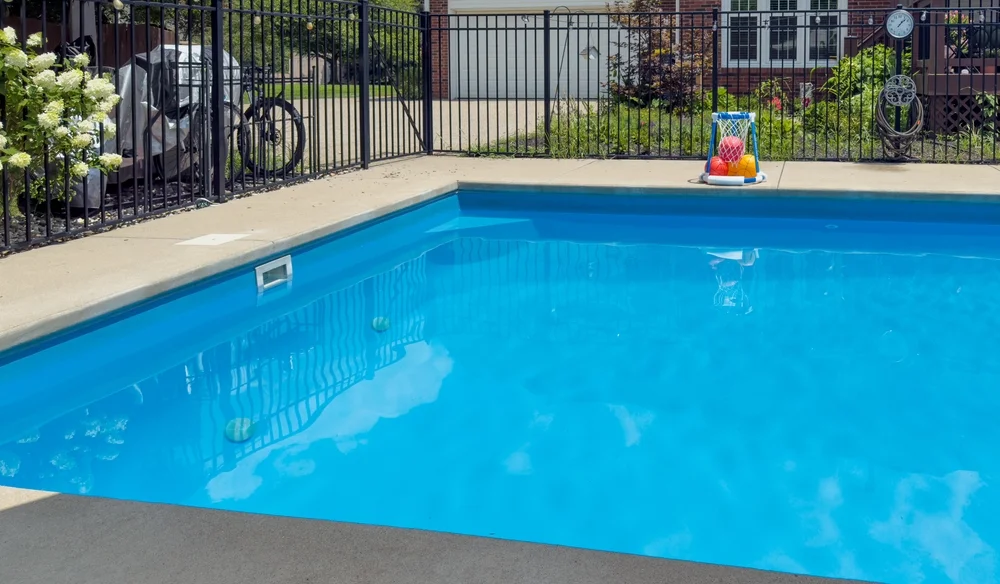
Pool fencing laws in New South Wales are designed to reduce drowning risks by controlling access to pool areas. These rules apply to any structure that can hold more than 300 millimetres of water, whether temporary or permanent.
NSW pool fences must align with:
These laws exist for a reason. For many years, NSW recorded high numbers of child drownings in backyard pools. Today, compliance requirements have significantly reduced those incidents. Every rule, from latch height to panel spacing, originated from a recognised safety risk and is backed by evidence.
It is also important to understand that fencing laws apply even if:
There are no exemptions for older structures.
Sydney homeowners must follow specific, measurable construction standards to achieve compliance. These rules are strict because pool fencing failure can result in life-threatening scenarios.
A Sydney pool fence must reach at least 1200 millimetres above finished ground level. This measurement accounts for a typical child’s reaching ability, climbing strength and body leverage.
Height must remain consistent, meaning:
Many non-compliance notices are triggered not by original design mistakes, but by landscape modifications made years later.
Spacing rules exist to prevent squeezing access and foot placement:
Even a few millimetres of movement can cause failure. Soil erosion, pet digging and garden expansion all influence under-fence clearance over time.
Gates are commonly the point of fencing failure because they are moving parts. A compliant pool gate must:
Why this matters:
A gate that fails once may fail when it matters most. Inspectors routinely check gate performance multiple times because a child only needs a single opportunity to enter unsupervised.
A 900-millimetre non-climbable zone must exist on the pool side of the fence. This zone must remain free of:
Something as simple as a decorative sculpture can turn into a stepping point and even a small object inside this zone can result in instant non-compliance.
Homeowners often forget how quickly gardens grow. A hedge planted today may compromise fencing next summer.
If you intend to use a boundary fence as part of your pool barrier, the internal face must be:
Boundary fences are often older, weathered, or uneven. Many Sydney owners need internal fence additions to meet this rule.
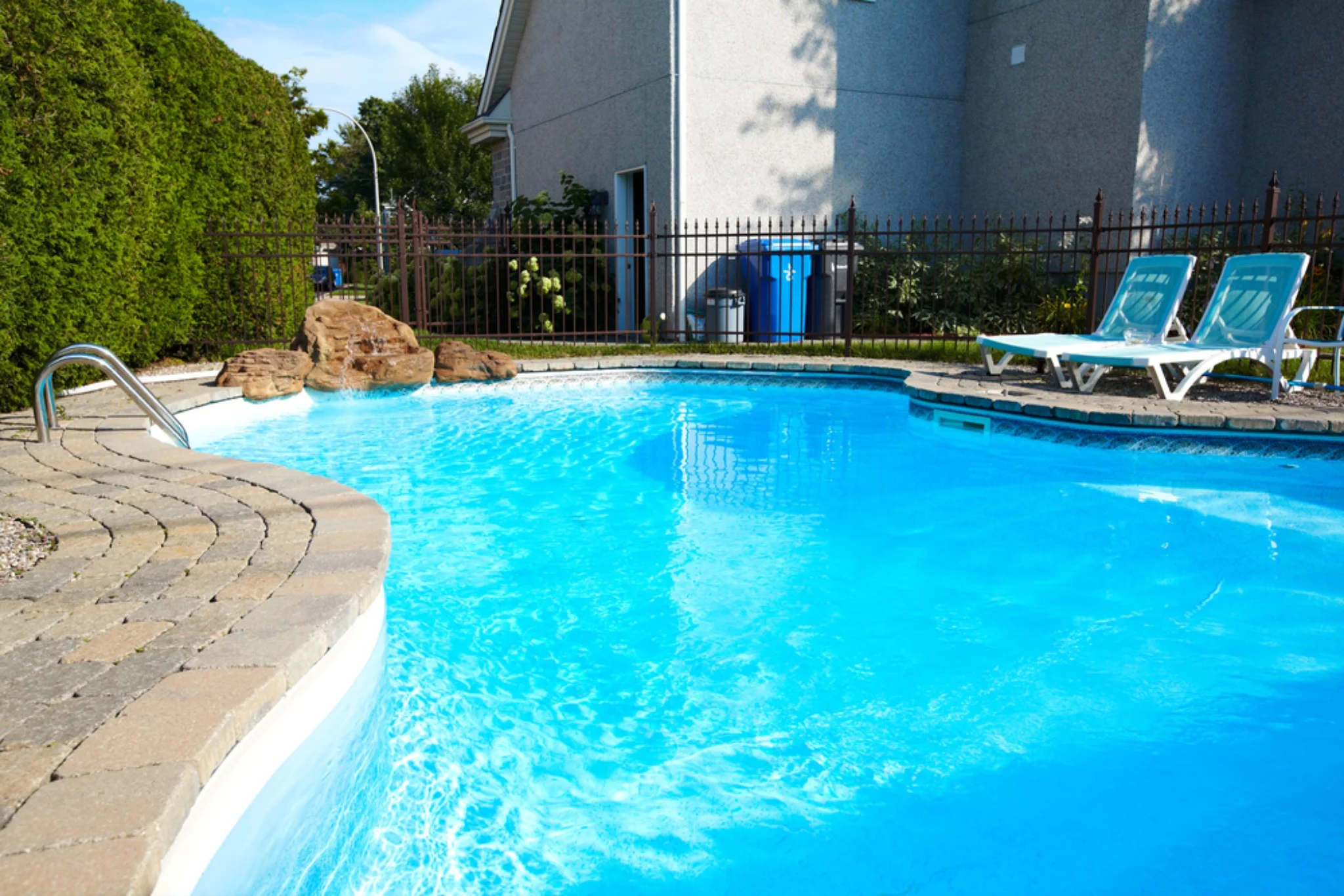
Pool fencing laws are not static. In recent years, several changes have reshaped responsibilities:
Every pool in NSW must be registered online. Registration:
Unregistered pools risk immediate fines.
If you plan to sell or lease a home with a pool, you must provide:
This rule protects buyers who may inherit a fencing problem unknowingly, and it protects sellers from liability.
Holiday rentals must meet full safety requirements. Platforms like Airbnb and Stayz now routinely request proof before allowing listings with pool access. Hosts are legally responsible for visitor safety.
Homeowners are often surprised at the small details that lead to failed inspections. The most frequent pitfalls include:
Sydney’s geography means many backyards slope. Without careful planning, fence heights change as they follow the terrain.
Example:
A backyard may measure 1200 millimetres at installation, but if soil settles unevenly, a 20-millimetre drop instantly breaks compliance.
Gate hinges loosen naturally as:
Just because a gate passes once does not mean it will pass forever.
This surprise catches many people out. Adding:
May lift the ground level and reduce fence height.
Material choice determines how long your fence lasts, how it performs in coastal environments and how much maintenance is required.
Glass offers uninterrupted views and modern appeal. It works extremely well near the coast, as glass does not rust.
However, it requires:
Steel fencing is the strongest option, ideal for large, windy, or elevated blocks.
However:
Aluminium is affordable, corrosion resistant and perfect for Sydney’s coastal air.
It offers:
Its only drawback is lower structural strength than steel.
A little preparation goes a long way. Before inspection, homeowners should:
It is common for homeowners to fail on something as small as a single pot plant inside the non-climbable zone.
If your pool fails inspection, the solution is rarely complicated:
Ignoring a compliance request puts homeowners at risk of fines and invalid insurance claims. Acting early is always the better option.
Pool fencing laws are built on decades of safety data, and they exist to protect families. Once homeowners understand fence height rules, spacing limits, gate requirements and landscaping risks, achieving compliance becomes manageable.
At Poolsafe Fencing, we guide Sydney families through every step, from design and installation to preparation for council inspection. With the right information and professional support, your pool fence becomes more than a legal requirement. It becomes a long-term safeguard for your home, your children and your peace of mind.

