


How to Compare Glass Pool Fence Quotes Without Choosing on Price Alone
June 11, 2026
Comparing quotes for glass pool fencing in Sydney involves much more than finding the lowest price. Differences in materials, hardware, installation methods and compliance allowances can affect the safety, durability and appearance of the finished fence. A quote that seems more affordable at first glance may exclude important components or site-specific requirements that increase the final cost once work begins.
The final price can also be influenced by the layout of the fence, the number of gates, the condition of the site and the work required to achieve a compliant installation. These are among the main factors that affect the cost of glass pool fencing.
Poolsafe Fencing explains how to compare glass pool fence quotes on a like-for-like basis. Checking the scope of work, material specifications, site preparation allowances and warranty coverage can help property owners identify genuine value rather than choosing a quote based only on the headline price.
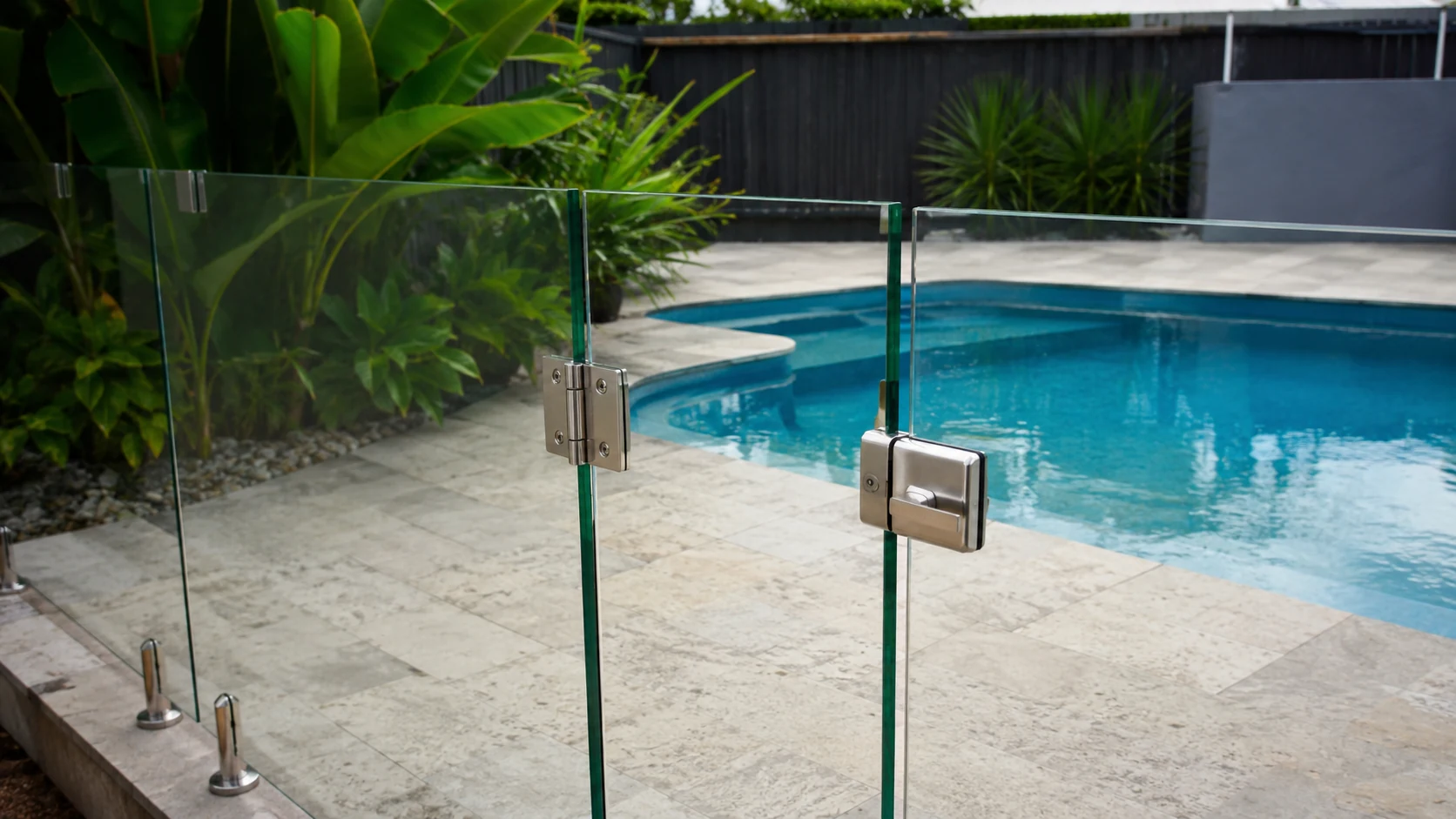
Price comparisons are only meaningful when every quote is based on the same fence layout and the same work. If one installer has allowed for a shorter fence line, fewer gates or a simpler installation method, the quote may appear cheaper without delivering the same finished result.
A detailed written quote should make it clear where the fence will run, how it will finish at each end and what responsibilities have been allowed for. It should also identify any work that is excluded or may be charged as a variation.
Each quote should clearly state the total linear metres of fencing, the proposed fence height and the layout around the pool. Do not rely on a rough sketch or a single total price without a breakdown.
Check that the quote identifies:
If one quote includes 18 metres of fencing and another includes 21 metres, identify the reason for the difference. A shorter layout may cut across a section of the yard, finish at a different point or overlook an area that requires additional work to create a compliant barrier.
The quote should also consider raised surfaces near the proposed fence line. Retaining walls, planter boxes, steps and changes in ground level can affect the height and placement of the barrier.
Gates are an important part of the pool barrier and can represent a significant portion of the overall cost. Quotes that appear similar in total length may vary considerably once the number and type of gates are compared.
Check that each quote specifies:
A glass pool gate should swing outwards, away from the pool area. It should also close automatically from any open position and self-latch when it closes. Optional upgrades, such as soft-close or hydraulic hinges, may improve day-to-day use but should be itemised separately so quotes can be compared fairly.
A quote with one gate will usually cost less than a quote with two. However, the layout should still provide practical access to the pool area without compromising the safety or function of the barrier.
Not all glass pool fence quotes include the same materials. Looking beyond the overall price is essential when assessing the quality, appearance and durability of the proposed fence.
A detailed quote should identify the glass type and thickness, the hardware materials and the method used to secure the fence to the supporting surface.
Ask each supplier to clearly state:
The appropriate glass thickness depends on the system design, panel dimensions, fixing method and supporting structure. Thicker glass may provide greater rigidity and reduce flex, but thickness should not be assessed in isolation.
Glass panels should be suitable for their intended use as part of a pool barrier. The quote should clearly identify the safety glazing supplied and the applicable standard rather than referring vaguely to “standard glass panels”.
Polished edges and a consistent finish can also affect the final appearance. Some suppliers offer optional hydrophobic or protective coatings designed to reduce the build-up of water spots and make cleaning easier. These coatings are not essential, but they should be itemised if they are included in the price.
Hardware quality affects how well the fence performs over time. Compare the grade and finish of spigots, posts, brackets and fixings rather than assuming every quote includes equivalent components.
Corrosion-resistant options may include grade 316 stainless steel or duplex 2205 stainless steel. The appropriate choice depends on the installation environment, particularly where the property is close to the coast or the hardware is regularly exposed to pool chemicals.
Low-cost fittings may deteriorate more quickly, leading to staining, movement or the need for earlier replacement. The quote should clearly identify the hardware supplied rather than using general phrases such as “standard spigots” or “pool fence hardware”.
The fixing method affects the appearance, stability and cost of the finished fence. Common options include:
If two quotes rely on different fixing methods, they are not directly comparable on price alone.
Where pavers, tiles or decking are involved, confirm how the installer will locate the structural base and fix into it rather than relying only on the surface material. The quote should also state whether grout, chemical anchors, sealants or other fixing materials are included.
Many glass pool fencing quotes look similar until site preparation and additional costs are considered. Excavation, demolition, rubbish removal, restricted access and uneven ground can all affect the time and materials required for the installation.
Clarifying these details before work begins reduces the risk of unexpected variations and makes it easier to identify whether each installer has assessed the site properly.
The phrase “supply and install” does not always cover the same work. Each quote should explain what the installer will physically do on site.
Confirm whether the price includes:
Where the fence line crosses sloping ground, steps or different surface levels, ask how the installer plans to manage the height changes. The quote should identify whether stepped panels, custom glass sizes, additional posts or brackets are required.
Removal of an existing fence or barrier can add a significant cost. Ask whether the quote includes:
Rubbish removal is a common grey area. Confirm whether waste will be removed from the property or left for the owner to handle.
Access to the pool area can affect labour and equipment costs. A quote may assume that workers can move glass panels and tools directly from the street to the installation area.
Ask whether the quoted price allows for:
Where access is difficult, the installer should identify any additional labour costs, surcharges or provisional sums before work begins.
A low quote is not good value if the proposed barrier does not meet the requirements that apply to the property. Pool barrier rules affect the height and layout of the fence, the operation of the gate and the placement of nearby objects.
Property owners should also review the NSW Government guidance on pool and spa owner obligations, as the requirements that apply to a barrier can depend on the property, the age of the pool and whether alterations have been made.
A quote should be based on an accurate assessment of the site rather than a generic layout. Where compliance requirements have not been properly considered at the quoting stage, additional panels, layout changes or remedial work may be required later.
As a general guide, an internal pool fence must be at least 1.2 metres high when measured from the finished ground level. A boundary fence used as part of the pool barrier must generally be at least 1.8 metres high.
The quote should clearly state the finished barrier height and identify any areas where taller panels or a modified layout may be required.
Raised surfaces can affect the effective barrier height. Planter boxes, steps, garden beds, retaining walls and nearby structures should be considered when the fence is designed.
A pool barrier must not be positioned in a way that gives children easy access to footholds or handholds. Trees, shrubs, furniture, pot plants, barbeques, ladders and other objects near the fence can create climbing opportunities.
When reviewing quotes, confirm that the installer has:
The barrier design should not be assessed in isolation from the surrounding yard.
Gate assemblies are a frequent source of pool barrier issues. The quote should clearly identify the hinges and latch supplied rather than referring broadly to “gate hardware”.
Confirm that the proposed gate:
Soft-close hinges may be included as an optional upgrade, but the essential requirement is that the gate closes and self-latches correctly.
Ask whether any inspection, certification or council application fees are included in the quote or must be arranged separately.
The requirements depend on the property and the work being completed. Pool registration does not itself confirm that a barrier is compliant, as compliance is assessed separately through an inspection.
A clear quote should state whether the installer is responsible for arranging any required inspection or whether this remains the owner’s responsibility.
A glass pool fence is a long-term safety feature. The quality of the installation and the support available after completion are just as important as the materials supplied.
Ask the installer to provide the relevant licence details and confirm that the contracting business is correctly identified.
In NSW, a contractor licence is required for residential fencing work valued at more than $5,000, including labour, materials and GST. The business name on the quote and contract should match the entity holding the required contractor licence.
Property owners should also check whether a written contract is required. For residential building or trade work over $5,000, the contractor must provide a written contract. This document should identify the parties, contractor licence number, scope of work, specifications and contract price where known.
Product warranties may cover issues affecting the materials supplied, such as hardware failure, premature corrosion or, where laminated glass is used, delamination.
Check:
A warranty should be clear and written. General assurances that the installer will “look after it” do not provide the same certainty as documented coverage.
A workmanship warranty relates to how the fence has been installed. It may cover issues such as loose fittings, movement, misaligned panels or problems with the installed fixings.
Ask each installer:
A cheaper quote may offer less support after installation, even if the materials appear similar.
A glass pool fence quote that sits well below the others may be tempting, but it should be reviewed carefully. A low price may reflect a simpler layout or a legitimate difference in the proposed work. It may also indicate that important costs have not been allowed for.
Warning signs include:
These are also among the common glass pool fencing mistakes homeowners can make when a low quote relies on vague specifications or cheaper hardware.
The lowest quote is not always the least expensive option once variations, upgrades and corrective work are considered.
A glass pool fence should be assessed on safety, compliance, durability and appearance as well as cost. Comparing quotes carefully can reveal differences in fence layouts, materials, hardware, installation methods, site preparation allowances and warranty coverage that may not be obvious from the headline price alone.
Before choosing an installer, check that each quote reflects the same scope of work and the actual conditions on the property. A detailed comparison reduces the risk of unexpected costs, compliance issues and premature maintenance problems while helping property owners select a fence that will perform reliably over time.

