


Why Glass Pool Fencing Costs More Than Expected (And What Drives the Price)
January 21, 2026
Glass pool fencing often costs more than homeowners expect because the final price is shaped by compliance rules, site conditions, material quality and installation complexity rather than just metres of glass. With all our experiences here at Poolsafe Fencing, clear expectations upfront always lead to better outcomes and fewer surprises.
This is for homeowners planning a new pool fence or replacing an existing one, particularly those comparing quotes and wondering why prices vary so widely. It’s important because glass pool fencing is a regulated safety barrier, and cutting corners can lead to failed inspections, costly rework or long-term durability issues.
In this guide, you will learn what truly drives pricing, which costs are commonly overlooked and how to get an accurate quote for glass fencing in Sydney.
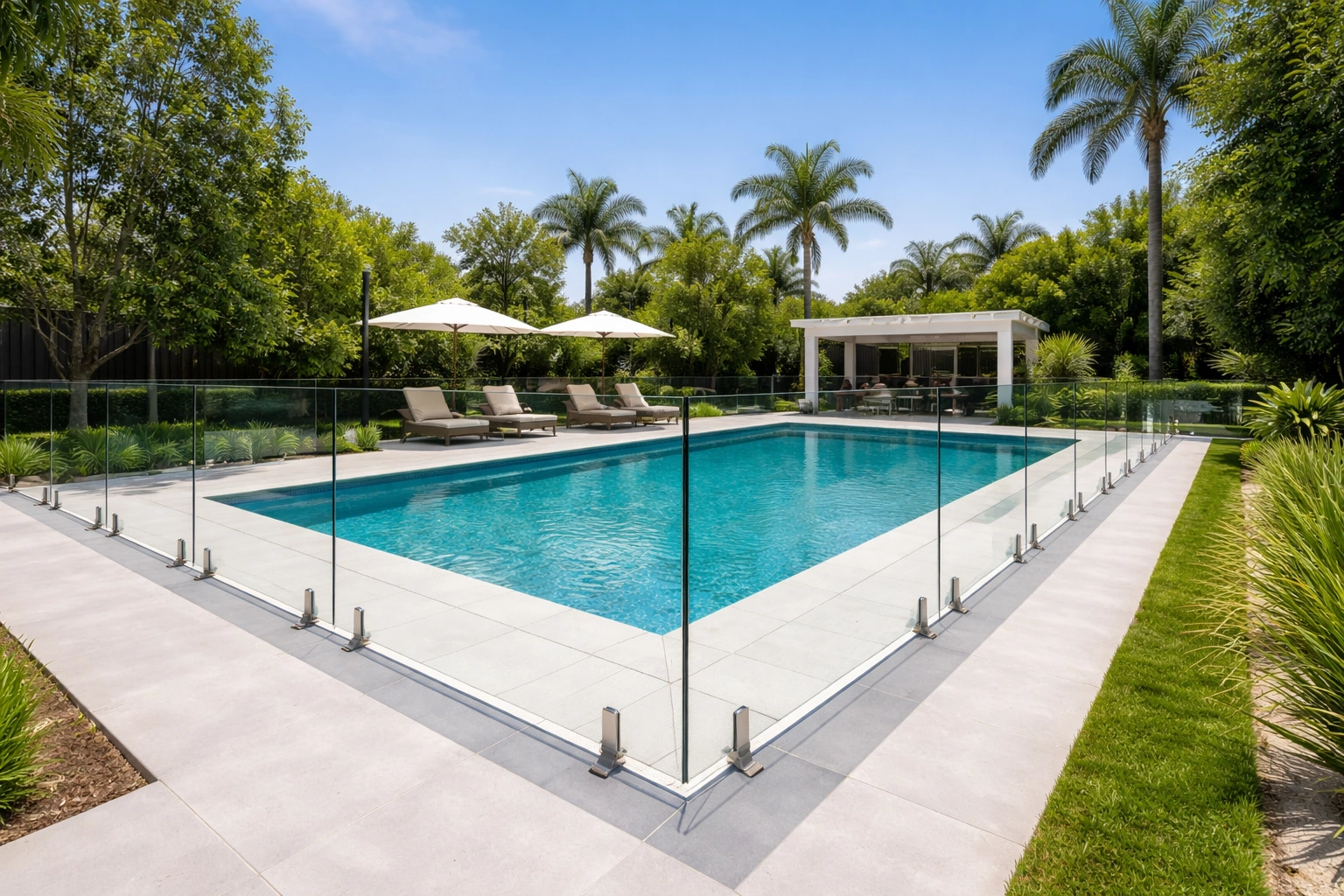
Glass pool fencing pricing is rarely straightforward because every property presents a different set of variables. While two homes may appear similar, small differences in layout, ground conditions and compliance requirements can affect labour, materials and installation time.
Many assume quotes should align closely. However, in reality, installers are pricing risk, access, accuracy and long-term performance. Understanding why quotes vary helps you compare proposals properly instead of choosing purely on price.
Online price guides are designed to give a rough starting point, not a final figure. They often assume ideal conditions, straight runs, level ground and minimal compliance adjustments, which rarely reflect real properties.
In practice, actual installation costs increase once site inspections reveal slopes, steps, retaining walls or tight access. These factors add time, specialised tools and higher installation risk that generic pricing does not account for. Common assumptions in online guides include:
A proper site assessment is the only way to understand true installation costs.
Australian pool fencing laws are strict and vary by state and council. Fence height, gate swing direction, latch placement and distance to climbable objects all influence design and installation requirements. Complex pool layouts with curves, steps, raised walls or nearby structures require more panels, additional gates or custom spacing. Each of these changes adds labour and materials that quickly affect the final price.
Even small layout changes can alter the final price.
Access is often overlooked during early budgeting, but it has a role in pricing. Tight side access, multi-level properties or finished landscaping can slow installation and increase handling risks. Installers may need extra staff, lifting equipment or protective measures to avoid damage. These requirements are built into accurate quotes but are rarely visible to homeowners comparing prices.
These factors are often invisible at the quoting stage but heavily influence accurate pricing.
Glass pool fencing costs are driven by far more than the visible glass panels surrounding the pool. Behind the scenes, material specifications, structural conditions, installation methods and strict regulatory compliance all contribute to the total investment. These factors influence not only the upfront price but also the safety, durability and long-term performance of the fence.
Homeowners are often surprised to learn how small specification changes can affect pricing. Variations in glass thickness, fixing methods, ground preparation and hardware quality can quickly add up. Understanding these cost drivers helps explain why professionally installed, compliant glass fencing may cost more initially but delivers better performance, fewer issues and lower long-term ownership costs.
Australian standards specify minimum glass thickness and safety requirements for pool fencing. Thicker toughened glass provides better strength and durability but comes at a higher material cost.
Larger panel sizes reduce visual breaks but require heavier glass and stronger fixing systems. This increases both material costs and the complexity of installation. Main contributors to pricing:
These specifications are non-negotiable under standards.
Not all ground surfaces are suitable for standard surface mounting. Sloped concrete, pavers or tiled areas often require core drilling to achieve correct post alignment and strength. Core drilling is slower and more labour-intensive, especially when reinforcing steel or underground services are present. These conditions add time, equipment costs and installation risk.
Core drilling and levelling add time, equipment and labour to the job.
Gates are one of the most expensive components of a glass pool fence. They require precise alignment, compliant self-closing hardware and correct latch positioning. Corners, angles and transitions between surfaces also increase fabrication and labour costs. Straight fence runs are always more cost-effective than complex layouts.
They are among the most common drivers of unexpected cost increases.
Installation decisions have a major influence on overall pricing, even when the finished glass pool fence appears visually similar. The type of system selected affects labour time, installation precision, hardware specifications and how the fence performs over its lifespan. Seemingly minor choices during the design and installation stage can change upfront and ongoing costs.
Some installation options reduce the initial price but increase the likelihood of ongoing maintenance, adjustments or premature component failure. Other choices may cost more at the outset but deliver better structural stability, stronger compliance outcomes and greater confidence in long-term durability. Understanding these trade-offs helps homeowners make informed decisions based on value rather than price alone.
Choosing between frameless and semi-frameless glass pool fencing has a direct impact on upfront cost and installation complexity. While both options meet pool safety requirements, they differ in various factors, especially expectations and performance.
Frameless glass pool fencing:
Semi-frameless glass pool fencing:
Both systems can perform well when installed correctly, but the choice often comes down to balancing budget and site conditions rather than appearance alone.
Spigots, posts and fixings vary widely in quality and corrosion resistance. Marine-grade stainless steel costs more but performs far better in outdoor conditions. Closer hardware spacing improves strength and compliance but increases material and labour costs. Powder-coated finishes may reduce the upfront price but often require more maintenance over time.
Experienced installers price their work to allow proper alignment, curing times and compliance checks. Faster installations may appear cheaper but can compromise accuracy and long-term performance. Installation methodology affects how well the fence handles movement, weather exposure and daily use. Quality workmanship reduces future adjustment and repair costs.
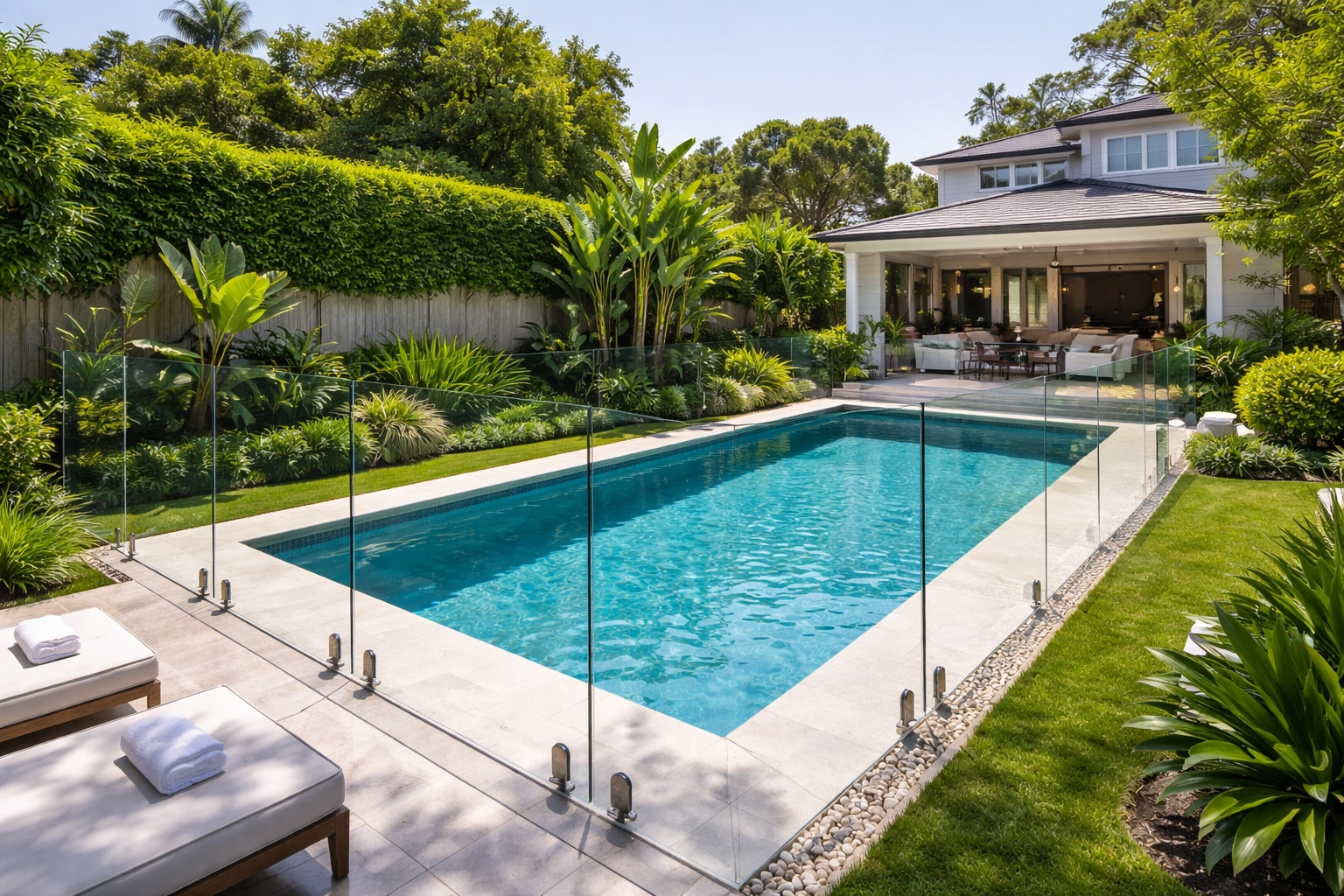
The true cost of glass pool fencing extends well beyond installation day. While the initial quote focuses on materials and labour, long-term ownership costs are influenced by environmental exposure, maintenance demands and the quality of the original installation. These factors determine how the fence performs over time, not just how it looks when first installed.
A slightly higher upfront investment often results in fewer issues, lower ongoing maintenance and a longer service life. Quality materials and correct installation reduce the risk of corrosion, compliance failures and premature component wear. These long-term savings are rarely visible in the initial quote but have an impact on overall value.
Glass pool fencing requires ongoing care to maintain appearance and performance. In coastal and high-humidity areas, salt exposure and moisture place constant stress on hardware and fixings. Material quality and installation methods play a role in how well the fence withstands these conditions over time.
These choices help preserve appearance and long-term value.
Compliance is critical for glass pool fencing, and errors during installation can be costly. Fencing that does not meet pool safety requirements may fail council or certification inspections. Rectifying these issues often involves partial or complete replacement.
Compliance and workmanship protect safety and reduce long-term costs.
All glass pool fencing requires some level of adjustment over time, particularly at gates and hinges. However, poor installation significantly increases how often these adjustments are needed. Environmental exposure and daily use amplify minor installation flaws.
This difference in quality becomes clear within the first few years of ownership.
Accurate glass pool fencing quotes rely on detailed property information and clear communication. Without a proper site assessment, pricing is often incomplete or misleading.
Homeowners benefit most when quotes are tailored to their specific layout, compliance requirements and long-term expectations rather than generic pricing formulas.
Installers need more than measurements to provide reliable pricing. Understanding site conditions and compliance constraints allows accurate material and labour planning.
Here’s some information you may find helpful:
Detailed site information allows installers to price accurately and transparently. Incomplete details often lead to revised costs later.
Extremely low glass pool fencing quotes can be appealing, but they often indicate important elements have been omitted. Pricing that seems too good to be true usually relies on assumptions that do not hold up once compliance checks and site realities are considered. These issues tend to appear after installation, when rectification becomes expensive.
A detailed and transparent quote is usually a sign of experience and proper planning. Paying slightly more upfront often avoids costly compliance failures and maintenance problems later.
Asking the right questions helps uncover what is included and what is not. It also reveals how experienced and thorough the installer is.
Ask these important questions:
Asking informed questions helps identify quality installers and realistic pricing. Clear answers indicate experience, transparency and compliance confidence.
Glass pool fencing costs more than expected because compliance, site conditions, material quality and installation expertise all have a role in safety and durability. When homeowners understand these cost drivers, they can compare quotes more confidently and avoid expensive mistakes. At Poolsafe Fencing, we believe transparent pricing and proper assessments lead to safer pools, longer-lasting fences and better long-term value for homeowners.

