


How Commercial Glass Balustrades Change the Look and Feel of Spaces
April 15, 2026
Commercial glass balustrades are reshaping how businesses, venues and developments present themselves to customers and visitors. From coastal cafés and hotel rooftops to office lobbies and pool areas, glass creates open contemporary spaces that feel larger, brighter and more connected to their surroundings. Poolsafe Fencing understands that the impact of well-designed balustrades is evident in how ordinary areas are transformed into premium environments that look refined and feel safe and comfortable to use. This article explores how glass influences first impressions, the flow of natural light and the overall experience of people moving through commercial spaces.
The discussion also covers how different glass styles and hardware selections influence design and performance. It examines how glass balustrades support compliance with safety standards while maintaining clean, modern lines that elevate façades, interiors and outdoor zones. A clear understanding emerges of how high-quality balustrade systems enhance visual appeal, improve usability and contribute lasting value to commercial property.
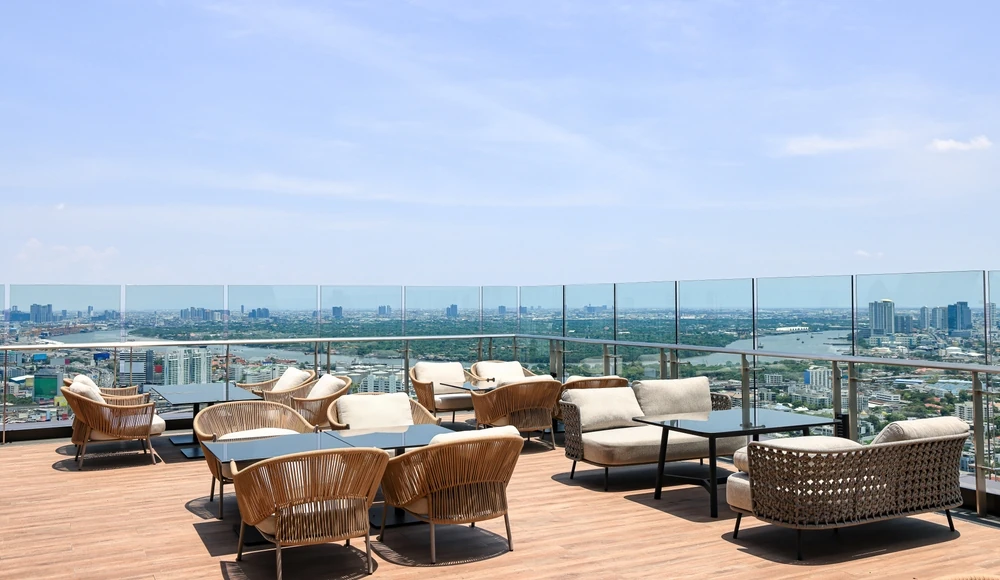
Glass balustrades immediately change how a commercial space looks and feels by opening up sightlines and reducing visual clutter. Instead of blocking views like traditional rails or solid walls, they create a sense of openness that makes interiors and outdoor areas appear larger, brighter and more premium.
From hotel rooftops and waterfront restaurants to office balconies and shopping centre atriums, glass balustrades influence how people move through a space, how long they stay and how they perceive the brand behind it. Their impact is both aesthetic and functional, shaping light flow, safety perception and overall atmosphere.
The most noticeable change is the way glass balustrades increase natural light and visual depth. Transparent or low-iron glass allows daylight to travel further into a building and removes the heavy lines created by metal or masonry barriers.
In a high-rise lobby or mezzanine, open glass edges maintain clear vertical views, making a compact floor plate feel more expansive. On terraces and balconies, uninterrupted glazing maintains skyline or harbour views that are central to the appeal of different venues. This reduction in visual barriers also improves wayfinding, as visitors can see more of the environment at a glance.
Frameless or semi-frameless systems intensify this effect by minimising visible hardware so the eye focuses on the space and outlook, not on the balustrade itself.
Glass balustrades give commercial properties a contemporary, high-value aesthetic that can align closely with brand positioning. Clear, clean panes of glass signal precision and attention to detail, which is effective for premium hospitality, retail and corporate spaces.
The finish of the glass can be tailored to the desired mood. Crystal clear glass suits luxury venues that rely on water or city views. Lightly tinted glass can introduce subtle tonal contrast that coordinates with façade materials. Frosted or patterned panels add privacy for offices or clinics while still keeping a modern slimline profile.
Hardware choices also influence perception. Sleek stainless steel or aluminium channels and spigots create a refined minimal look. Where a softer feel is needed, timber handrails combined with glass can add warmth without sacrificing visual openness.
Safety compliance cannot be separated from aesthetics. Modern glass balustrades use toughened or toughened laminated glass that meets Australian standards for impact resistance and load performance. This allows a secure barrier in high-traffic areas such as shopping centres, pool decks and public viewing platforms without introducing a heavy or institutional feel.
The transparency of glass changes how safe a space feels. Patrons on an elevated terrace can enjoy clear views without a sense of being exposed because the full-height barrier is visually light yet structurally robust. For pool areas, clear fencing improves passive supervision, which can increase user confidence and comfort.
At the same time, careful detailing of edges, handrails and fixings helps maintain smooth lines that are easy to clean and maintain, which is important for hygiene in food venues and for presentation in premium commercial properties.
Commercial glass balustrades immediately change how a space feels by allowing light to pass through instead of blocking it. In a city like Sydney with strong natural light and prized views, this makes a difference to comfort, mood and how expansive an area appears.
By replacing solid barriers with transparent glass, circulation spaces, balconies, pool areas and rooftops feel larger, brighter and more connected. This effect is not only visual. It also improves wayfinding, sightlines and day‑to‑day usability in commercial environments.
Glass balustrades let that light travel deeper into interiors, reducing the need for artificial lighting during the day.
Clear or low‑iron glass is commonly specified to minimise any green tint and keep light as clean and bright as possible. In office lobbies, shopping centre atriums or hotel pool decks, this keeps spaces visually consistent from edge to core. Anti‑glare treatments or strategic tinting can be added where western sun exposure is intense so light is softened without losing transparency.
At the pool and rooftop level, frameless or semi‑frameless glass balustrades avoid the heavy shadow lines created by solid walls or bulky posts. This helps maintain an open, resort‑style ambience even on compact urban sites.
Commercial projects often contend with tight footprints and height restrictions. In these conditions, every design decision that preserves a sense of openness has high value. Glass balustrades visually extend floor plates to the perimeter without adding visual bulk.
On balconies and terraces, clear glass keeps harbour, city or district views uninterrupted, making even narrow outdoor spaces feel more expansive. Internally, glass along stairwells and mezzanines removes the tunnel effect created by solid walls. People can see across and through circulation areas, reducing any sense of confinement.
The minimal framing of frameless or spigot‑mounted systems further strengthens this effect. With no heavy handrail blocking eye level, the boundary almost disappears and the space reads as one continuous volume rather than a series of separated zones.
Commercial glass balustrades suit Sydney environments where visibility, safety and a contemporary look are equally important. In practice, this tends to mean high-traffic spaces that benefit from open sightlines, compliance with safety codes and a premium visual finish that aligns with modern architecture.
The most effective installations are those that respond to coastal light, outdoor lifestyle and dense built environment, using glass to connect interiors with views while still controlling movement and meeting safety requirements.
Sydney’s waterfront hotels, restaurants and function venues gain value from frameless or semi-frameless glass balustrades. Along the harbour or at beachfront locations, clear glass allows uninterrupted outlooks over the water while still providing compliant barriers to edges, drops and pool zones.
On rooftop bars, glass balustrades maximise views of icons like the Harbour Bridge and Opera House. In these settings, higher-grade stainless fixings and laminated safety glass are typically preferred to handle salt air, wind loads and heavy patron use.
Apartment developments along the foreshore and coastal suburbs also frequently adopt glass on balconies and common terraces so residents retain views and natural light even where council controls restrict built form and boundary treatments.
Hospitality and retail precincts in Sydney CBD and major centres such as Parramatta or Chatswood often use glass balustrades to manage levels and flow without visually closing off spaces. In multi-level restaurants, they define mezzanines and stair voids while keeping an open feel between floors.
Shopping centres commonly install glass along internal atriums to ensure clear lines of sight across multiple levels, which assists both security and wayfinding. The transparency supports visual merchandising by keeping storefronts unobstructed from upper walkways.
In hotels, clubs and event spaces, glass balustrades are effective around internal balconies, VIP areas and pool decks. The material suits contemporary fit-outs where lighting, reflective surfaces and feature finishes work together to create a high-end atmosphere that appeals to corporate and tourism markets.
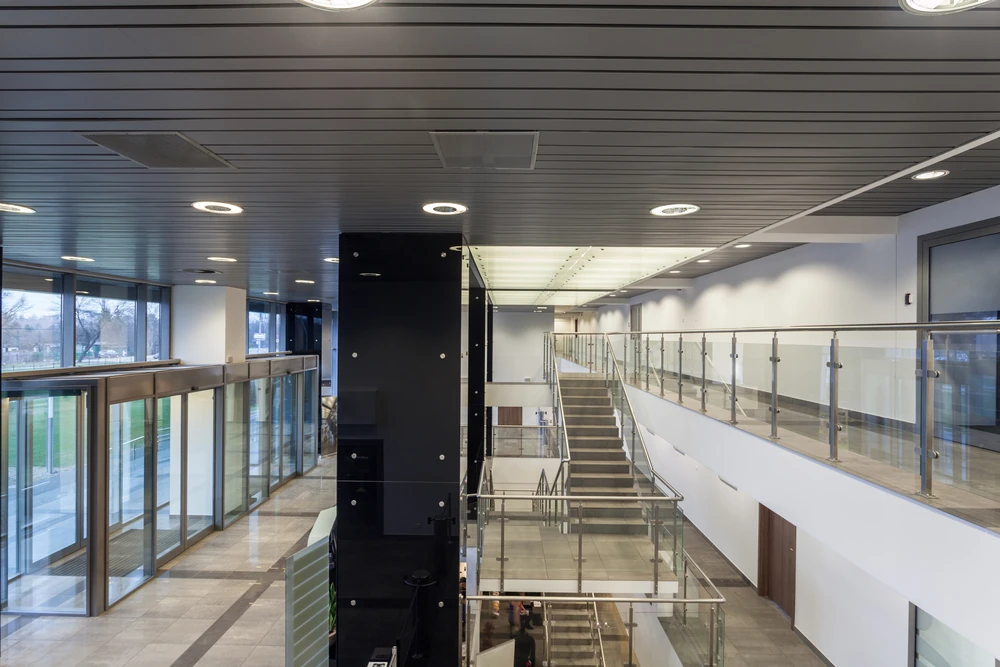
Commercial office buildings across business districts use glass balustrades extensively around staircases, internal voids and lobby mezzanines. This treatment projects a professional and modern identity while allowing daylight penetration deeper into the floor plate, reducing reliance on artificial lighting.
In premium lobby spaces, glass combined with minimal handrails provides a clean architectural line that complements stone floors and feature walls. Tenants benefit from an impression of scale and openness that would be lost with solid barriers.
Multi-residential buildings often specify glass balustrades for shared rooftop terraces, podium gardens and internal corridors where a safe barrier is required but a sense of community and openness is desired. Clear or light-tinted glass can keep these common areas feeling spacious, which is particularly valuable in dense inner-city developments where outdoor space is at a premium.
The choice between frameless and semi-frameless glass balustrades changes how a commercial space looks and feels. Both options meet safety and compliance requirements, yet they create very different visual effects, influence maintenance needs and affect budget planning. Understanding the real-world differences helps property owners, builders and designers match the balustrade style to the purpose of the space, whether it is a CBD office balcony, a waterfront restaurant terrace or a pool area in a multi-residential complex.
Frameless glass balustrades use thick, toughened safety glass panels held at the base or with discreet side fixings. There are no vertical posts, so sightlines stay almost completely clear. This style suits premium commercial settings where uninterrupted views are a priority, such as rooftop bars, hotel balconies or harbour-facing offices.
Semi-frameless systems use vertical posts between glass panels with the glass often set into channels or fixed with clamps. The posts can be powder-coated to match building finishes, which helps integrate the balustrade into the façade. While still light and contemporary, the visible structure introduces a stronger architectural rhythm that can suit shopping centres, strata complexes and hospitality venues that want a defined perimeter without feeling heavy.
Frameless balustrades typically involve thicker glass, higher specification hardware and more precise installation, which usually results in a higher upfront cost per metre. They work well where a project aims for a luxury finish or where the value of unimpeded views is commercially important, such as premium dining decks or executive office floors.
Semi-frameless systems usually represent a more economical choice while still delivering a modern look. The posts share the load across the structure, which can allow slightly thinner glass in some designs and can simplify installation, particularly on long runs such as apartment balconies or pool fencing in resort-style complexes.
From a maintenance perspective, both options require regular glass cleaning, particularly in coastal locations where salt spray is common. Semi-frameless systems, however, involve extra attention around posts and fittings where grime can accumulate. Frameless installations have fewer visible components to clean, but hardware at the base or sides must be checked periodically in line with standards and local council requirements.
Glass balustrades can instantly modernise commercial spaces, yet success depends on more than choosing a sleek design. Businesses need to consider compliance, location, cleaning demands and long-term durability before committing to a system that affects safety as much as aesthetics. The right planning avoids unexpected costs, delays and retrofits once the balustrades are in place.
Balustrade performance also varies between lobby staircases, rooftop terraces and pool areas. Each setting has specific wind, corrosion and safety factors that influence glass type, fixings and height. Careful early assessment with these site conditions in mind will shape a solution that looks refined and functions reliably.
Glass balustrades in commercial spaces must comply with the National Construction Code and relevant Australian standards such as AS 1288 for glass in buildings and AS/NZS 1170 for structural loading. Non-compliant systems risk council rejection, liability issues and costly rectification.
This means selecting glass thickness and type to suit the application. For example, higher-risk areas and pool perimeters typically require toughened or toughened laminated safety glass to avoid dangerous fragments if broken. Balustrade height and climbability rules also apply, especially around pools and areas accessible to children.
Every location places different demands on glass balustrades. Coastal environments expose fittings to salt and wind pressure, so marine-grade stainless steel fixings and quality powder-coated aluminium components are critical to prevent rapid corrosion and staining.
Spigot and channel systems create a clean frameless appearance but require accurate structural design of slabs and edge beams. Post-and-rail systems can be more forgiving for retrofits and often involve a lower upfront cost, yet introduce more visible framing.
Drainage and water management around pool decks and terraces must be planned around the chosen fixing method so that water does not pond around spigots or inside channels, which accelerates corrosion and staining.
Glass shows fingerprints, splash marks and airborne pollution more readily than solid balustrades. In busy hospitality venues, shopping centres and pool areas, cleaning access becomes a practical design consideration. Businesses should assess:
Finally, day-to-day use patterns matter. Areas likely to experience crowd pressure, such as event terraces, require higher structural performance and secure handrails integrated with the glass to protect both patrons and the long-term integrity of the system.
Commercial glass balustrades are reshaping the visual and functional identity of spaces by uniting safety, transparency and contemporary style in a single architectural element. Across pool perimeters, hospitality venues, retail environments and mixed-use developments, these systems open sightlines, capture natural light and strengthen the connection between interiors and the surrounding city or waterfront. When specified in line with Australian standards and installed by qualified professionals, they provide reliable compliance with pool safety and building codes while preserving a refined minimalist aesthetic suited to modern commercial design. As Sydney continues to evolve and densify, glass balustrades remain a defining feature of contemporary architecture, delivering a clear, safe and sophisticated edge to the spaces where people live, work and gather.

