


Pool Upgrades That Add Long-Term Value to Your Home
February 16, 2026
Pool upgrades are often seen as a cosmetic refresh, yet the right improvements can significantly increase a property’s long-term value while making the space safer and more enjoyable to use. At Poolsafe Fencing, we see every season how investments in fencing lighting, surfaces and functional features can transform an ordinary pool area into a high-performing outdoor asset. This article explores the upgrades that contribute not only to a better lifestyle but also to stronger buyer appeal, reduced maintenance demands and long-term compliance with evolving safety expectations.
Readers will gain insight into which pool enhancements genuinely add value over time, including modern safety fencing and barriers, durable finishes, efficient equipment, smart technology and layout improvements that maximise usable space. By understanding how these elements work together to improve safety, usability and visual impact, homeowners can make confident decisions about where to spend and where to save. The goal is to help pool owners move beyond short-lived trends and focus on strategic upgrades that support their family’s needs today while protecting their property investment well into the future.
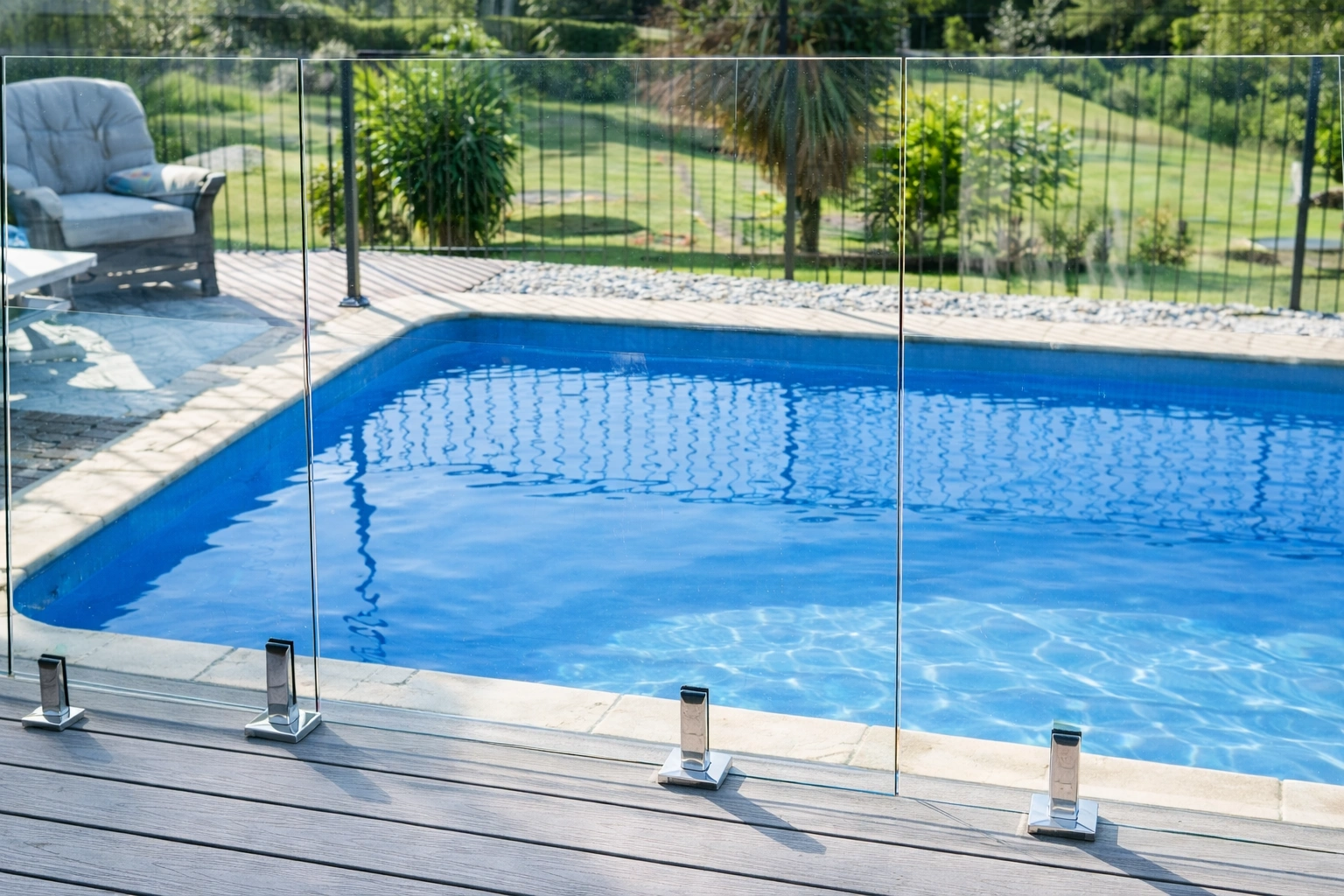
Buyers see pool safety as non‑negotiable. A pool that clearly meets current regulations and feels secure for children, pets and guests is far more attractive than one that will need costly upgrades after settlement. For many families a home will not even make the shortlist if the pool area looks difficult to bring up to code.
For pool fencing clients, safety upgrades are also a way to future‑proof a property. When the fencing, gates and barriers are modern, compliant and low-maintenance buyers can move straight in with confidence rather than budgeting for urgent rectification work.
The most visible safety feature is the pool fence. Buyers look for fencing that clearly complies with current regulations on height, non‑climbable zones and gaps so there is no need for them to investigate or negotiate safety repairs.
High-value upgrades typically include:
Frameless or semi‑frameless glass fencing is especially attractive because it ticks both safety and aesthetic boxes. It creates clear sightlines from the house to the pool, which parents value from a supervision perspective. At the same time, it looks high-end and does not date quickly, which supports long‑term appeal.
Even if the fence itself complies, buyers pay close attention to the gate. A sagging gate or a latch that does not close properly is a red flag for safety risk and possible council issues.
Poolsafe Fencing recommends and installs self‑closing self‑latching gates that:
Quality hinges and latches that are purpose‑designed for pool use are also a selling point. They resist rust and UV damage, so they keep working properly over the long term. For buyers, that means less ongoing adjustment and reduced risk of a failed compliance inspection just before a sale.
Safety is about more than the physical barriers. Buyers also want reassurance that the pool area can pass official checks without surprises. Properties stand out when owners can provide recent certificates of compliance or inspection reports along with product information for the fencing and gates.
Design choices also influence how easy it is to stay compliant. Buyers appreciate:
By combining compliant fencing, correct gate operation and thoughtful layout, professional pool contractors help create pool areas that satisfy inspectors and impress cautious buyers, which supports both immediate saleability and long‑term property value.
Glass pool fencing is one of the most effective ways to modernise a pool area while meeting safety regulations and adding real resale appeal. Homebuyers consistently respond to outdoor areas that look spacious, tidy and low maintenance, which is exactly what well-installed glass fencing delivers.
By choosing a quality glass system and professional installation, owners can expect long-term durability, minimal upkeep and a look that will not date quickly. This makes glass fencing a strong investment rather than a purely cosmetic upgrade.
Clear glass panels create an uninterrupted view across the pool and yard, which instantly makes the whole outdoor area feel larger and more upmarket. Unlike tubular metal fencing or dated mesh panels, glass does not visually chop up the space. For smaller backyards, this can be a significant selling point.
Buyers also see frameless or semi-frameless glass as a premium finish similar to stone benchtops or quality bathroom fixtures. It signals that the pool has been cared for and that corners have not been cut on safety. When several properties in the same price range have pools, the one with modern glass fencing will usually stand out in photos and during inspections.
From a styling perspective, glass suits almost any home type, including contemporary architect-designed homes, renovated character properties and townhouses. That flexibility helps protect the investment because the fencing will still look appropriate if the house is updated or extended later.
Long-term value depends on more than appearance. If a pool fence fails to comply with safety regulations, owners can face fines, urgent repair costs and difficulty obtaining a satisfactory inspection report when selling. Professional pool contractors design and install glass pool fencing to meet current Australian safety standards, which reduces the risk of costly rework in the future.
Toughened safety glass is engineered to handle outdoor conditions, including sun exposure and wind, when it is properly specified and installed. Quality hardware in marine-grade stainless steel or powder-coated aluminium resists corrosion, which is critical in coastal or humid environments. This durability means the fence is less likely to need replacement before the pool itself.
Because glass panels cannot be easily climbed and are harder for children to manipulate compared with some older-style fences, they support a safer pool environment. Buyers with young families often prioritise this, which can directly influence perceived value.
Ongoing maintenance costs affect how buyers judge a home. Glass pool fencing is relatively simple to keep looking new. Cleaning usually involves periodic washing with mild detergent and water to remove fingerprints and water spots. There is no need for repainting, rust treatment or panel replacement due to rot, which can occur with some metal or timber options.
Over time traditional fences can fade, dent or corrode, which drags down the appearance of the entire yard. In contrast, clear glass maintains a consistent look provided it is cleaned. This helps the pool area present well in photos and open homes, often years after installation.
By choosing appropriately thick glass and quality fittings, owners reduce the likelihood of sagging panels or misaligned gates that can make a pool area look tired and neglected. That reliability in both function and appearance is what turns glass pool fencing into a true long-term value upgrade rather than a short-lived trend.
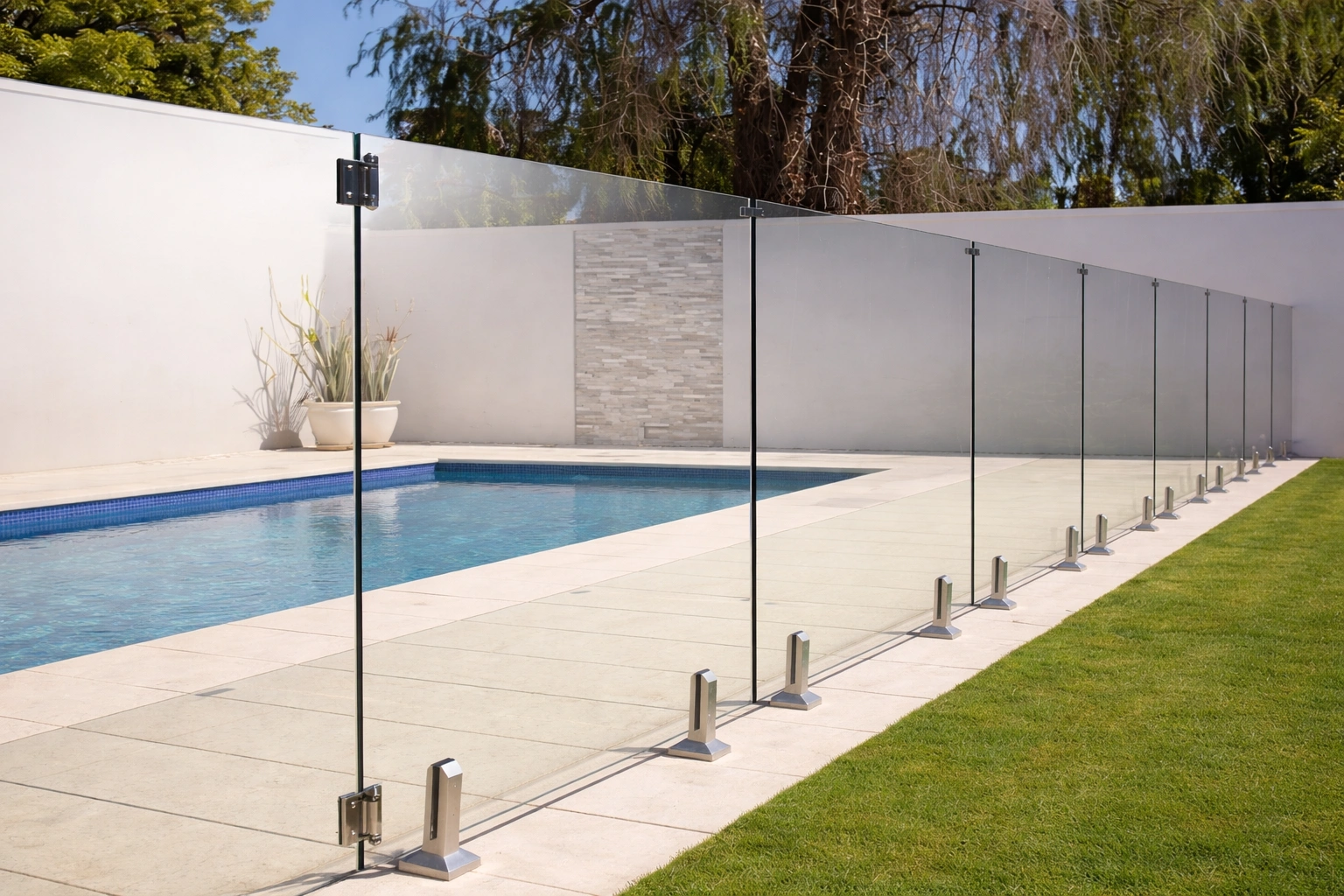
A pool can only look as good and feel as safe as the surfaces that surround it. Choosing the right paving and hardscaping is one of the most effective ways to protect a pool investment and keep the area attractive and low maintenance for years. Durable surrounds are also a key part of a compliant and practical pool safety layout that works with fencing rather than against it.
Poolsafe Fencing recommends planning the pool shell, coping, paving and fencing as one integrated project. Long-lasting materials, a sensible layout and attention to drainage and slip resistance will keep the pool area looking modern and safe even as design trends change.
Not all paving stands up equally to sun, pool chemicals and constant wet feet. For long-term value it is worth focusing on materials that resist fading, staining and cracking.
Popular options that age well include:
Lighter colours stay cooler underfoot and show fewer salt and water marks than very dark tones. Around fenced areas and gates, it is important to avoid soft or highly porous stone that can chip or crumble where posts are fixed. We often see porcelain or dense concrete pavers perform better near fence lines because they support posts and hardware without movement.
Whatever material is chosen should be sealed with a product rated for pool environments and resealed on a sensible schedule. This makes it easier to hose off sunscreen and leaf stains instead of paying for early replacement.
Hardscaping that ages well is planned around how people actually move through the space. Wide circulation zones where families walk from the house to the pool reduce wear on narrow paths and make it easier to meet fence setback requirements.
Around poolsafe fences and gates, the surface must be flat and stable so hinges and latches stay correctly aligned. Movement in pavers near a gate quickly turns into a latch that does not self-close. A well-compacted base and full-depth mortar or adhesive beds near posts protect both the paving and the fence over time.
Slip resistance is also critical. Surfaces should have a P4 or higher slip rating in wet areas. This is especially important directly inside and outside the pool gate where wet feet meet hard surfaces. Gentle falls built into the paving carry water away from the fence line so it does not pool around posts or create a slipping hazard.
Pool coping and edges take the most abuse from water and use. A practical choice is a bullnose or square-edge coping with a small overhang that is bonded properly to the pool shell. Consistent joint widths and flexible grout or expansion joints allow for small movements without visible cracking.
Level changes such as steps and raised platforms should be clearly defined and well lit. Integrated step treads or a contrasting band in the paving help prevent trips as the area is used in low light. These same-level changes can be used to support fence lines without creating climbable ledges that affect compliance.
Planting should be chosen with paving in mind. Deep-rooted trees too close to the pool can lift hard surfaces and disturb fence posts. We recommend non-invasive plants that drop minimal leaves and berries so the surface stays cleaner and the drainage around fences and footings does not block over time.
Buyers look closely at how hard a pool will be to own. Pools that are simple to care for and cheap to run typically feel more valuable and less like a future headache. By choosing clever, low‑maintenance upgrades, homeowners can protect their investment and keep the pool area attractive for years.
Licensed pool contractors focus on upgrades that reduce workload, improve safety and keep the pool looking modern. The right combination of equipment, finishes and fencing can cut chemical use, limit repairs and help the pool stay a strong selling point.
Modern filtration and cleaning systems are some of the most effective ways to reduce weekly maintenance while safeguarding long‑term value.
Variable speed pool pumps allow owners to run filtration at lower speeds for longer periods. This improves water circulation while using less power and placing less strain on pipes and filters. Over time this can extend the life of equipment and make the pool more appealing to energy-conscious buyers.
Saltwater chlorination is another upgrade that pays off. Instead of manually adding chlorine, a salt chlorinator unit converts pool salt into sanitiser as water passes through. This delivers more consistent chlorine levels, which helps prevent staining, algae growth and surface damage linked to poor water balance.
Robotic pool cleaners also support long‑term value. Independent of the filtration system, they scrub walls and floors and collect debris in their own cartridge. This reduces manual vacuuming and helps prevent dirt from staining interior finishes or blocking skimmers and filters. A clean interior surface looks newer for longer and can delay the need for resurfacing.
The right finishes and paving can significantly cut maintenance while keeping the pool area looking fresh.
Upgrading from older painted surfaces to a durable interior finish such as high-quality pebble or quartz aggregate often provides better resistance to chemicals, staining and abrasion. These surfaces typically need less frequent resurfacing which protects long‑term value.
Around the pool, selecting hardwearing, non‑porous materials helps prevent problems that can worry future buyers. Sealed concrete porcelain tiles and quality composite decking resist moisture damage and are easier to keep clean than softer or highly porous options. They are less likely to develop permanent stains or lifting that can lead to costly repairs.
Low-maintenance coping with smooth edges that do not chip easily also preserves the visual line of the pool. When coping stays intact, the pool area looks well kept, which can positively influence buyer perception of overall property care.
Safe, compliant fencing that is also easy to maintain is a major asset when it is time to sell.
Poolsafe Fencing often recommends materials such as powder-coated aluminium and toughened glass panels. Aluminium fencing does not rust or require frequent repainting if the coating is quality and well specified for the environment. Glass pool fencing offers clear sightlines and only needs routine cleaning and periodic hardware checks. Both options support compliance while keeping maintenance simple.
Gate hardware is another small but important upgrade. Self‑closing, self‑latching hinges and latches that are built for pool environments reduce the risk of failure that might lead to expensive urgent repairs or compliance issues during a building inspection.
Finally, tidy low-maintenance landscaping around the pool, such as paved areas and carefully chosen plants that do not drop excessive leaves or invasive roots, will cut cleaning time and protect surrounding structures. This creates a pool zone that feels safe, modern and easy to live with, which is exactly what long‑term value depends on.
Not every attractive pool feature adds value when it comes time to sell. Some upgrades cost a lot to install and maintain yet do little to increase the sale price or buyer interest. Understanding which improvements rarely pay off helps homeowners prioritise projects that protect both lifestyle and long-term value.
Licensed pool contractors often see owners invest in attention-grabbing extras while neglecting upgrades that actually matter to buyers, such as compliant safe fencing, efficient equipment and low-maintenance finishes. The following features may suit a specific taste but typically do not deliver a reliable financial return.
Bold or very specific design choices can limit buyer appeal. Many potential buyers imagine how they will use and maintain the pool rather than how striking it looks in photos.
Examples that often fail to add value include:
These elements can be expensive to build and repair, and some buyers see them as future removal costs. Neutral, simple shapes and finishes are safer for resale value, while surrounding the area with compliant, unobtrusive pool fencing keeps the pool looking open and attractive to a wider audience.
High-end technology tends to age faster than the pool structure itself. What looks cutting-edge this year can appear dated or problematic in only a few seasons.
Common examples include:
Buyers often worry about replacement parts and ongoing servicing. In many cases they prefer simple, energy-efficient pumps, filters and chlorination systems that are easy to understand and maintain. Poolsafe Fencing recommends focusing on robust, user-friendly equipment and ensuring any control systems are straightforward rather than overly customised.
Large permanent constructions around a pool are expensive to modify and do not always match a new owner’s plans for the garden.
These can include:
While these additions might suit the current owner’s entertaining style, they can make the outdoor area feel constrained and can complicate safe fence placement or future layout changes. Buyers often value flexible open space where they can add their own furniture or shade. From a value perspective it is usually wiser to invest in quality surfacing, safe compliant pool fencing and versatile shade options than in large permanent constructions that reflect a single lifestyle choice.
In the end, the pool upgrades that truly add long-term value are the ones that balance lifestyle, safety and return on investment. From modernising surfaces and equipment for efficiency, to integrating automation and lighting for everyday enjoyment, to creating functional outdoor living zones that extend your usable space, each choice should work together to make your pool safer, more inviting and more cost-effective to own. Central to all of this is compliant, well-designed pool fencing: it protects your family and guests, aligns with legal requirements, and can be tailored to complement any style of backyard. When you approach upgrades with a long-term lens, focusing on durability, low maintenance, energy savings and safety, you don’t just refresh a pool; you enhance the overall appeal and value of your home for years to come.

