


Do You Need a Pool Compliance Certificate When Selling a House in NSW?
October 14, 2026
Selling a property in NSW with a swimming pool or spa involves specific safety and documentation requirements. Sellers need to know which certificates are required and how pool fencing in Sydney can affect the sale process.
Poolsafe Fencing helps property owners maintain safe pool barriers and address potential fencing issues before a property goes on the market.
Confirming pool registration, arranging an inspection and preparing the required documents early can help prevent delays and make the sale process smoother for sellers and buyers.
When selling a property with a swimming pool or spa, the contract of sale must include a pool registration certificate and one of the prescribed compliance documents. The requirements depend on the property type and whether an exemption applies.
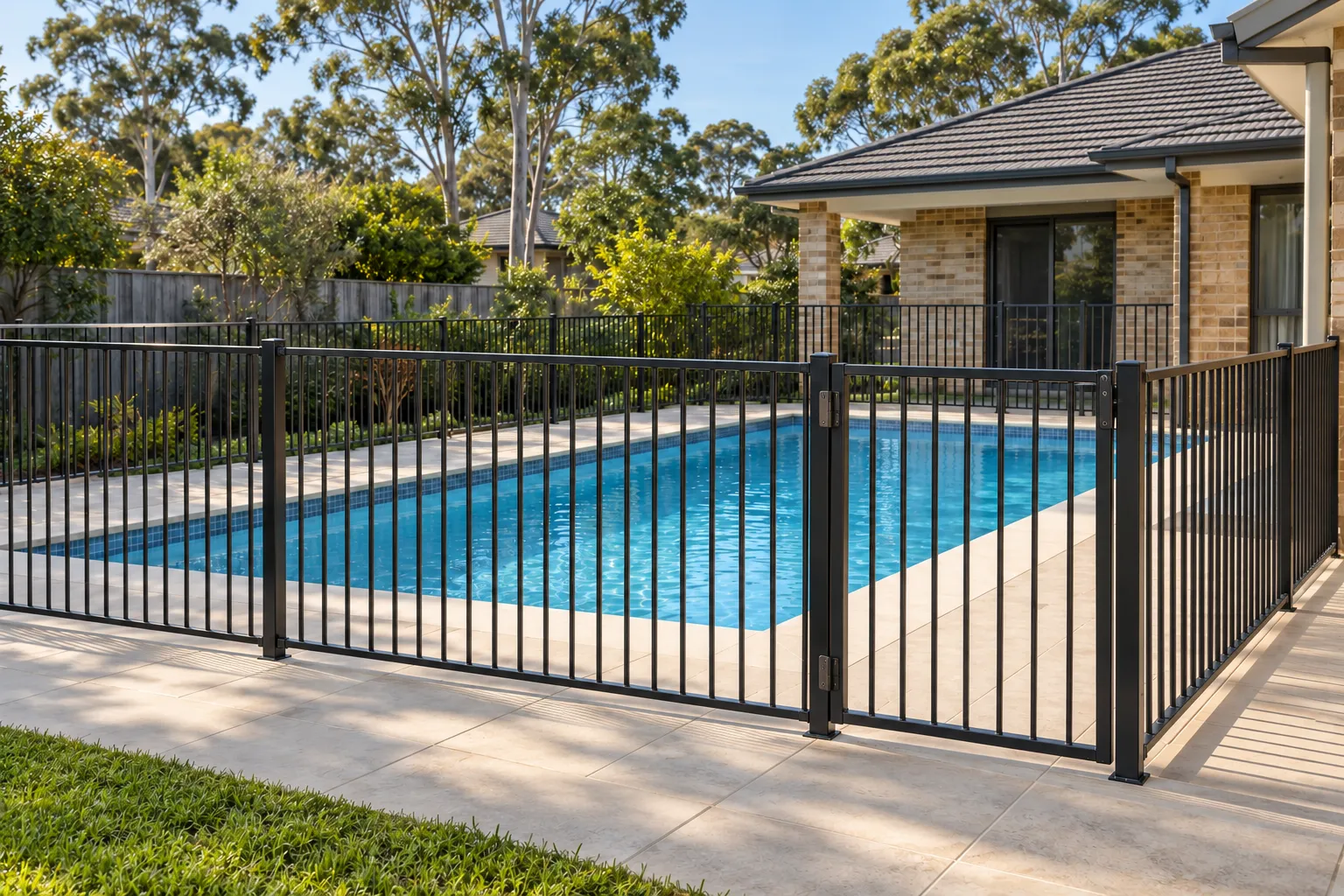
NSW Government guidance on pool sale requirements explains the documents needed and the exemptions that may apply.
For applicable standalone properties, the contract must include one of the following:
A Certificate of Non-Compliance does not confirm that the pool is safe or compliant. Sellers should confirm which documents apply to their property before preparing the contract.
Pools and spas covered by NSW swimming pool laws must be registered on the NSW Swimming Pool Register. Sellers should check that the registration details are correct and obtain the required registration certificate.
The standard sale-contract document requirements do not apply to lots in strata or community schemes comprising more than two lots or to off-the-plan contracts. For shared pools, the owners corporation or relevant association is responsible for maintaining the common pool and its safety barriers. Sellers can contact the strata manager to confirm the pool's compliance status and obtain relevant records.
Yes, a house with a non-compliant pool fence can be sold if the applicable sale requirements are met and the correct documents are included in the contract. For eligible standalone properties, a Certificate of Non-Compliance may be used instead of a Certificate of Compliance, allowing the sale to proceed without the seller completing every listed repair first.
When a Certificate of Non-Compliance is attached to the contract, the buyer has 90 days after settlement to rectify the identified defects and obtain a Certificate of Compliance. This pathway does not apply in the usual way where the certificate identifies a public safety risk. Sellers should also check whether any council directions or other circumstances affect their options.
For shared pools in strata or community schemes, the owners corporation or relevant association is responsible for maintaining the common pool barrier. Sellers should confirm their obligations with a conveyancer or solicitor before proceeding with the sale.
A swimming pool Certificate of Compliance in NSW is valid for three years from the date of issue, unless a relevant council direction affects its validity. Sellers should check the certificate's status before listing a property and ensure the required documentation is available when preparing the contract.
An existing certificate should not be treated as a guarantee that the barrier remains safe if fencing has been damaged or altered. Changes to gates, panels or surrounding structures may affect compliance, so visible defects should be addressed promptly.
A Certificate of Non-Compliance has a separate validity period of one year from its issue date or until a Certificate of Compliance is issued, whichever happens first. It is important to check which certificate is held and whether it remains valid for the intended sale.
To arrange a pool compliance inspection before selling a property, owners should confirm the pool's registration, book an inspection with the local council or a registered private pool certifier and prepare the barrier for assessment. Booking early allows time to address defects before the sale progresses.
Check that the pool is registered on the NSW Swimming Pool Register and that the property details are correct. If registration is missing or inaccurate, contact the relevant authority to resolve the issue before proceeding.
Contact the local council or a registered private swimming pool certifier. Provide the property address, pool details and any known fencing issues when booking. This helps the inspector understand the property's circumstances and arrange a suitable inspection.
Before the inspection, check that the barrier is secure, the gate self-closes and self-latches correctly and nearby objects do not create climbing opportunities. Look for damaged panels, loose posts, excessive gaps and missing or unreadable CPR signage.
If the pool meets the applicable requirements, a Certificate of Compliance may be issued. If defects are identified, the owner can review the inspection findings and arrange the necessary repairs or consider whether a Certificate of Non-Compliance is available for the sale.
A failed pool inspection helps owners understand which barrier defects need attention. Allowing time for repairs and any follow-up inspection can help prevent unnecessary delays.
A property with a swimming pool can still be sold without a Certificate of Compliance if the seller provides the required alternative documentation. This may be a valid Certificate of Non-Compliance or a relevant Occupation Certificate issued within the previous three years, accompanied by the required pool registration evidence.
If the contract does not include the prescribed documents where required, the buyer may be entitled to rescind the contract within 14 days of exchange, unless settlement has already occurred. Different rules apply to certain strata and community scheme properties and off-the-plan contracts, so sellers should confirm their obligations before proceeding.
Before preparing the contract, sellers should check the pool's registration status and arrange an inspection if necessary. Pool fencing services can help identify and repair common barrier defects, while the local council or a registered pool certifier can assess the barrier and determine whether it meets the applicable requirements.
Sellers are responsible for ensuring that the required pool documentation is provided when selling a property where the relevant sale requirements apply. They should confirm the pool's registration status, check the available certificates and arrange an inspection if needed. Responsibility for maintaining shared pools differs from that for private pools.
Before listing, sellers should check their documentation and address known fencing issues. For a shared pool on common property, the owners corporation or relevant association is responsible for maintaining the pool barrier, arranging inspections and managing compliance records.
NSW Government guidance on strata pool responsibilities outlines owners corporation obligations for shared pool safety, fencing and inspections.
Individual sellers should contact the strata manager or association to confirm the pool's compliance status and determine what information is needed for the sale. The standard pool-document requirements for individual sale contracts have exemptions for strata and community schemes comprising more than two lots.
For eligible sales involving a Certificate of Non-Compliance, the buyer becomes responsible for rectifying the listed defects and obtaining a Certificate of Compliance within 90 days of settlement. This does not remove the seller's obligation to provide the appropriate documents before the sale.
Both parties should understand the certificate's implications and any outstanding safety issues. A conveyancer or solicitor can clarify the legal responsibilities, while professional pool fencing services can help identify and repair barrier defects.
Common pool fence defects that can lead to a failed compliance inspection include faulty gates, incorrect barrier heights, excessive gaps, climbable objects and damaged fencing. Identifying these problems before selling can help reduce repair costs and avoid delays.
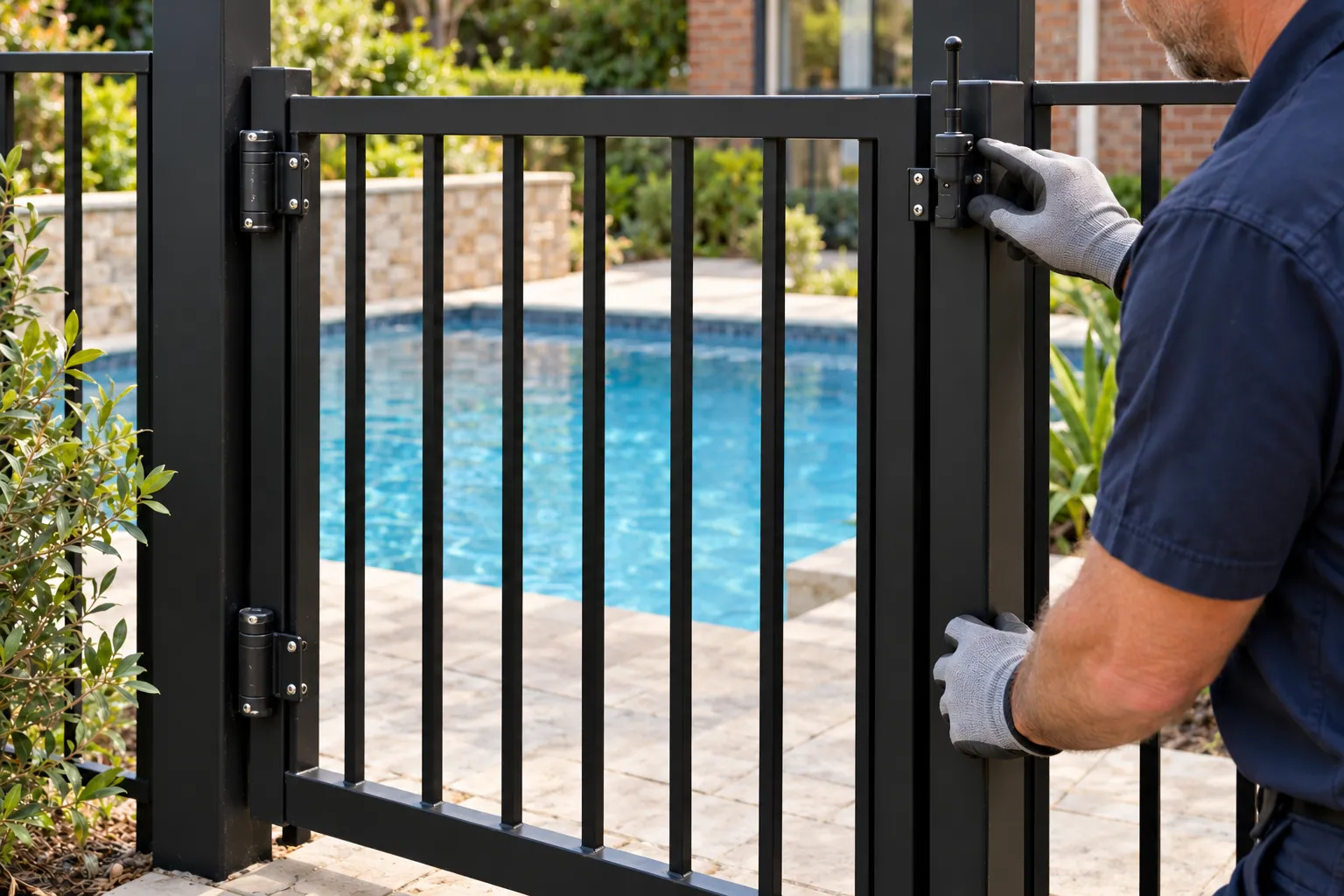
Common issues include the following:
Addressing pool gate problems early can help restore reliable closing and latching before an inspection.
The requirements that apply depend on the pool's circumstances and relevant safety standards. Sellers can arrange repairs before an inspection, but the local council or a registered pool certifier must assess compliance. Pool fencing services can help with repairs and upgrades where needed.
Yes, buyers can request and review pool compliance documents before settlement to confirm the pool's safety status and identify outstanding defects. Depending on the property and applicable requirements, these may include a Certificate of Compliance, a Certificate of Non-Compliance, an Occupation Certificate and evidence of pool registration.
If defects are identified, buyers can ask the seller to arrange repairs before settlement. Whether the seller must agree depends on the applicable legal requirements and the terms of the contract. For eligible sales involving a Certificate of Non-Compliance, the buyer becomes responsible for rectifying the listed defects within 90 days of settlement, subject to the safety risk exception.
If documents are missing or incomplete, buyers should raise the issue with their conveyancer or solicitor before proceeding. Where fencing defects require attention, pool fencing services can help with repairs or replacement, while the local council or a registered pool certifier can assess the pool's compliance status.
Sellers can prepare for a pool compliance inspection by checking the fence and gate, removing climbable objects, confirming pool registration and fixing visible defects. Completing these checks early can help reduce the risk of a failed inspection and avoid delays during the property sale.
Here are the proper steps to prepare for an inspection:
Preparing early gives sellers time to address defects before listing the property or finalising the contract. If the pool does not pass inspection, the findings can help determine the necessary repairs or whether a Certificate of Non-Compliance is available for the sale.
Meeting NSW pool compliance requirements helps sellers prepare for a smoother property sale while supporting pool safety. Checking the applicable documents, confirming registration and addressing fencing defects early can reduce the risk of delays and unexpected costs.
Poolsafe Fencing can identify and address pool barrier issues before an inspection. By arranging repairs early and obtaining the appropriate assessment, sellers can prepare their pool fencing for the sale process while helping protect children and other pool users.

