


What Happens If Your Pool Fence Fails an Inspection in NSW?
August 11, 2026
When a pool fence fails an inspection, it is more than an inconvenience. It indicates that the barrier has defects that need to be addressed before a certificate of compliance can be issued. Understanding what happens next can help property owners respond promptly, avoid unnecessary work and reduce delays in restoring the pool area to a compliant and safe condition.
Poolsafe Fencing helps navigate pool barrier requirements, including common issues associated with pool fencing in Sydney and the steps involved in rectifying them. From reviewing the inspection outcome and organising repairs to preparing for reinspection, a clear understanding of the process makes it easier to prioritise safety concerns and work towards compliance.
A failed inspection means the barrier does not meet the relevant pool fence compliance requirements for a certificate of compliance. The owner should first review the inspection report or notice to understand exactly why the barrier failed and what needs to be addressed.
The report or notice should identify the reasons for non-compliance and the steps required to address them. It may cover issues such as fence height, gaps, gate operation, latch position, climbable objects or structural defects.
The pool area should also be checked for any immediate safety risks. If a damaged fence, faulty gate or significant opening creates a risk of unauthorised access, access to the pool should be restricted while permanent rectification is arranged.
Rather than assuming the entire fence needs to be replaced, owners should use the inspection report as the starting point and address each identified defect.
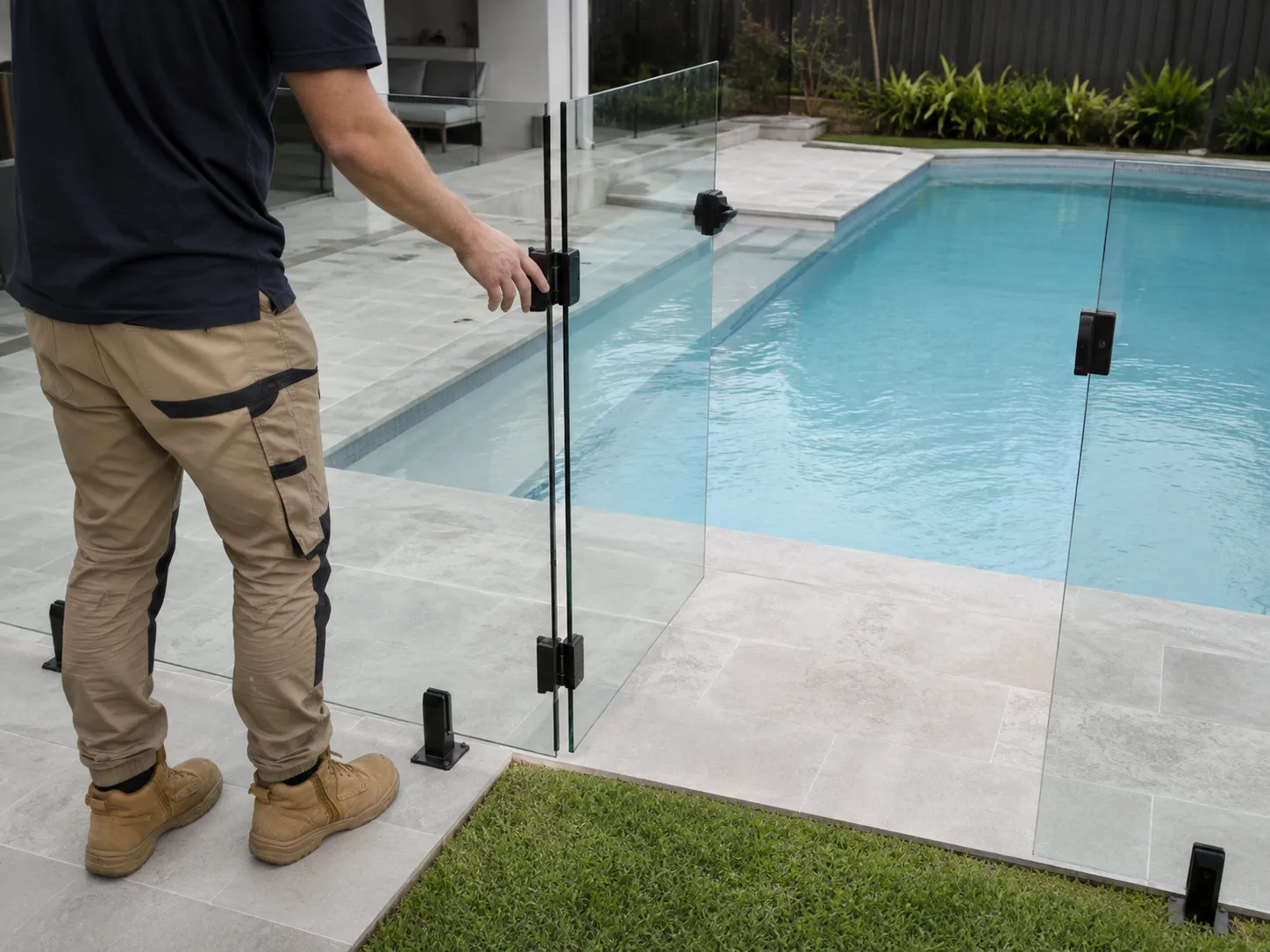
The inspection report or notice provides the clearest indication of what needs to happen next. It should explain why the barrier did not satisfy the requirements for a certificate of compliance and identify the steps needed to address the defects.
Owners should check for:
Each item should be treated as part of the rectification checklist. If a requirement is unclear, clarification should be obtained before work begins. This reduces the risk of completing repairs that do not address the actual reason for failure.
A certificate of non-compliance is different from simply receiving an inspection report. Where the requirements for a certificate of compliance have not been met, a registered certifier or local authority can issue a certificate of non-compliance. The certificate records the pool's non-compliant status and whether the pool is considered a risk to the public.
The timeframe following a failed inspection depends on the circumstances and the notice issued. Under the NSW swimming pool legislation, where a registered certifier issues a notice because the requirements for a certificate of compliance have not been met, the notice warns that it will be forwarded to the local authority six weeks after the inspection if a certificate of compliance has not been issued or sooner where the pool is considered a safety hazard.
These six weeks should not be interpreted as permission to delay repairs. Owners should organise rectification as soon as possible and follow any specific instructions or deadlines provided by the relevant authority.
Where the certifier considers the pool to pose a risk to public safety, the matter can be referred to council immediately. Councils have enforcement powers to direct owners to address pool barrier non-compliance.
If the required work cannot be completed within the applicable timeframe, the owner should contact the relevant council or certifier promptly rather than allowing the matter to remain unresolved.
The property owner is responsible for maintaining the barrier in accordance with applicable pool barrier requirements and arranging the work needed to address identified defects. A failed inspection does not transfer that responsibility to the inspector or council.
Responsibility can vary where the property is rented, part of a strata or community scheme, or where the barrier forms part of a shared boundary.
If a defect relates to previous construction work or a contractor's installation, the owner may have separate rights to seek rectification or compensation. However, that does not necessarily remove the immediate need to address the safety issue.
Failed inspections commonly involve gaps, climbable areas, gate problems or structural defects. Many of these pool fencing safety issues can develop gradually through movement, wear or changes around the pool area. Some issues may be straightforward to correct, while others can require substantial repairs or replacement.
Beware of these problems:
Depending on the cause, rectification may involve adjusting the fence, correcting ground levels, infilling gaps or replacing affected sections.
Features around or on the barrier can create potential climbing points. These may include:
Rectification may involve removing, relocating, trimming or modifying the relevant feature.
Gate and structural defects can also prevent compliance, including:
Repairs may involve replacing hardware, securing structural components or replacing damaged sections.
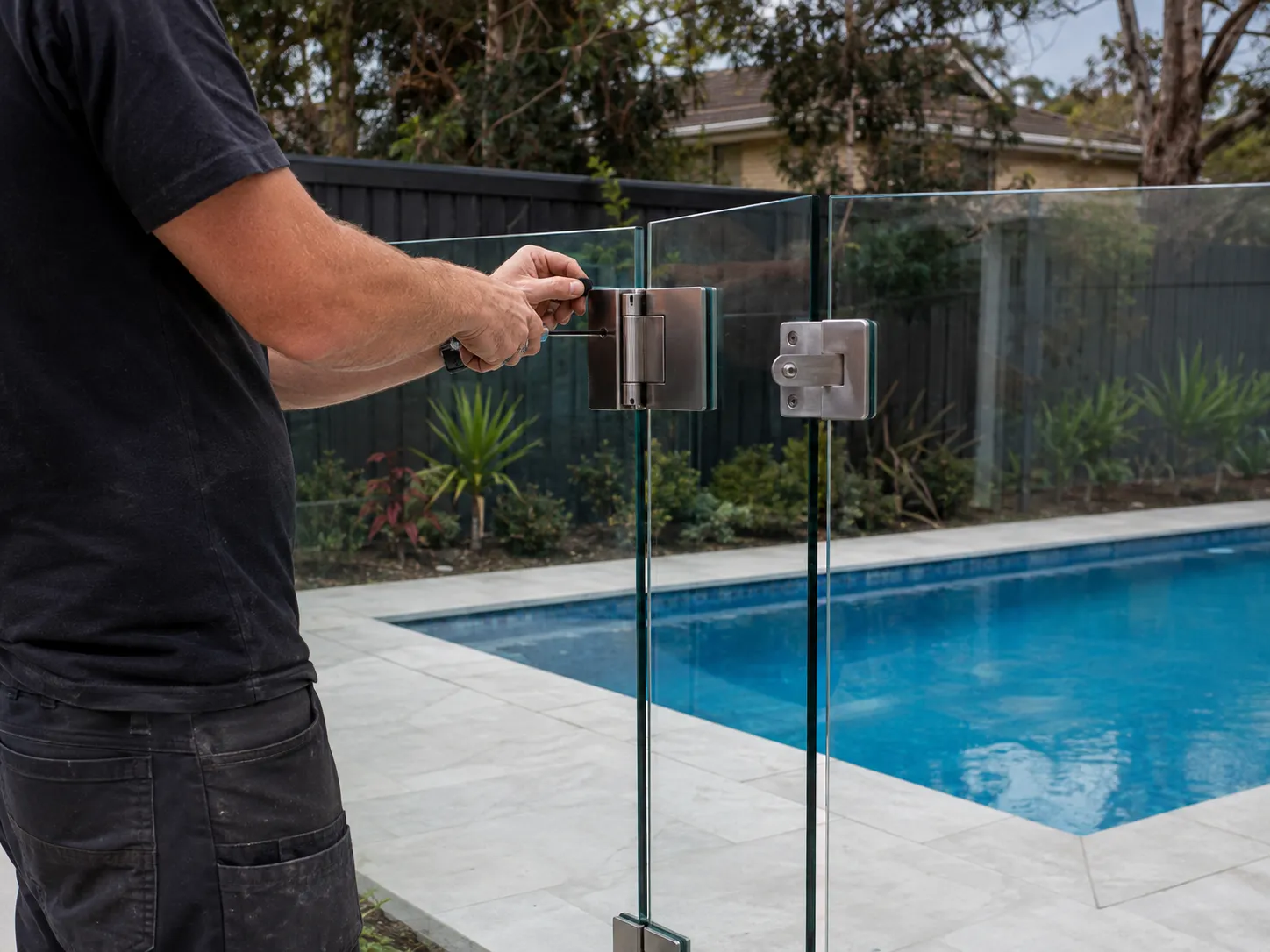
A failed inspection does not automatically mean the entire pool fence needs to be replaced. The appropriate solution depends on the defects, the condition of the existing barrier and whether its design can be brought into compliance.
Where the underlying structure is sound, targeted rectification may have the following:
Replacement becomes more likely when the barrier is substantially below the required height, structurally unsound, severely corroded or designed in a way that cannot reasonably be modified to meet the applicable requirements.
The cost of rectification depends on the work required to address the identified defects. A written quote should clearly explain what is included and which parts of the barrier will be repaired or replaced.
Typical rectification work could be:
Owners may also need to allow for reinspection or other certification-related costs. These vary according to the relevant council, certifier and circumstances.
Obtaining a written quote based on the complete inspection report helps ensure that all identified defects are considered before work begins.
Once the defects are understood, the next step is to organise the appropriate rectification work. The inspection report should be given to the contractor so the proposed repairs directly address the listed non-compliances.
The type of defect will determine whether a minor adjustment is appropriate or whether specialised or structural work is required. More substantial changes to fencing, gates, boundary barriers or structural components should be handled by an appropriately qualified contractor familiar with NSW requirements.
Property owners should:
Once the work is complete, the barrier should be checked against the original report before arranging another pool inspection. A certificate of compliance is issued when the relevant inspection requirements are satisfied.
Before the reinspection, the entire pool barrier should be checked rather than focusing only on the defects that were originally identified.
The pool area should be clear and accessible when the inspector or certifier attends. A final check can help identify an overlooked defect before it results in another failed inspection.
Leaving identified pool barrier defects unresolved can result in further regulatory action, particularly where the barrier presents an ongoing safety risk. NSW councils have powers to direct owners to bring pool barriers into compliance.
Potential consequences can include:
Where a certificate of non-compliance is provided with the contract, the purchaser takes on the obligation to rectify the listed defects within the applicable period, subject to the circumstances set out in the legislation.
A certificate of non-compliance also cannot be used to rent a residential property, making compliance important for landlords.
A failed pool fence inspection should be treated as a prompt to address safety and compliance issues rather than simply an administrative setback. Reviewing the inspection report, identifying urgent risks and organising the required rectification can help prevent further delays and enforcement action.
Poolsafe Fencing helps property owners work through pool barrier requirements by focusing on the specific defects identified during an inspection and the work needed to address them. A clear rectification plan, appropriate repairs and a thorough final check can make the path towards reinspection more straightforward.

