


How to Choose Pool Fencing for Your Backyard Layout
May 13, 2026
Choosing the right pool fencing for a backyard involves more than meeting safety requirements. The fence also affects how the outdoor space looks, how people move around the pool and how well the area connects with the home, garden and entertaining spaces. At Poolsafe Fencing, pool fencing in Sydney is planned with the full backyard layout in mind, including pool position, access routes, sightlines, available space and surrounding landscape features. These details help determine which fencing style, material and layout will work safely and practically in real backyard conditions.
This article explores how safety compliance, visual appeal and everyday usability can be balanced when planning a pool fence. It also looks at how material choice, fence alignment, gate placement, sloping blocks, landscaping and outdoor entertaining areas can affect the final design. By considering these elements together, homeowners can choose a pool fencing solution that supports safety, daily use and the overall look of the backyard.
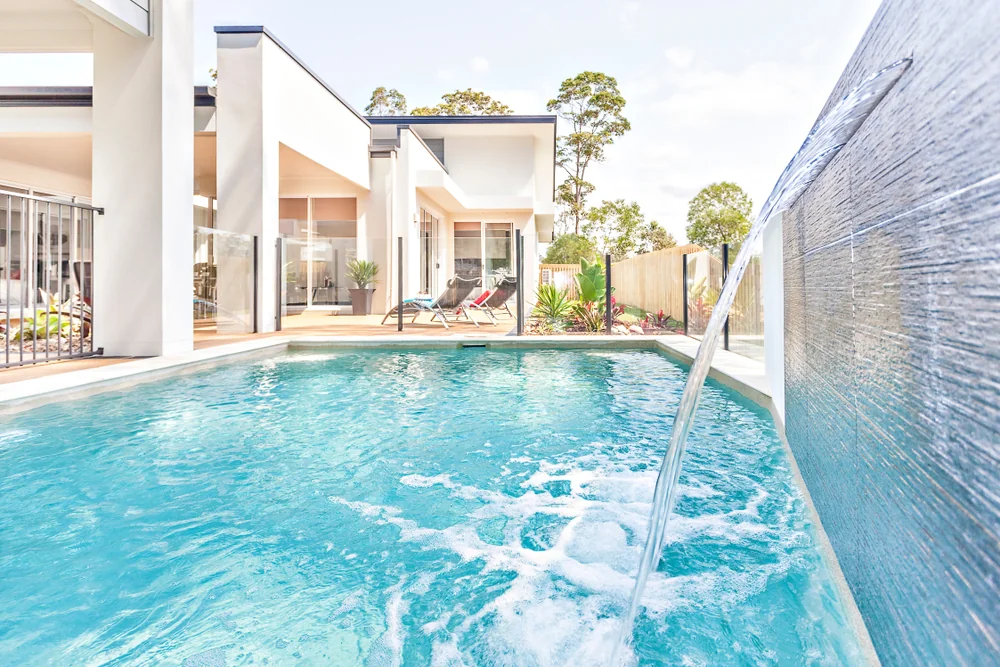
The layout of the backyard shapes almost every pool fencing decision, including where the fence can legally sit, how it will look from the house and how functional it will be day to day. The size, slope and existing structures in the yard all influence the type of fencing material and placement that will work best while still meeting pool safety requirements.
A careful assessment of boundary levels, garden features and traffic flow around the pool area helps determine whether the fence should become a visible design feature or sit as quietly as possible within the landscape. Ignoring these layout factors can lead to awkward fence lines, interrupted views, difficult access or compliance problems later.
The overall footprint of the backyard affects how close the fence can sit to the pool while still allowing safe circulation and practical movement around the area. In compact yards, the fence often needs to track close to the pool edge, so slimmer posts and more transparent materials, such as glass or vertical aluminium, are often preferred to avoid making the area feel boxed in.
Irregular or narrow blocks require more precise line setting. Corners, tight side setbacks and angled boundaries may call for custom panels or stepped sections so the fence remains stable, climb-resistant and visually neat. In long rectangular yards, a straight fence line can be cost-effective, but it may need visual breaks through gates, planting or mixed materials so it does not dominate the outdoor space.
The pool shape also matters. Freeform pools, curved edges or pools built around decks and garden beds may require more changes of direction, which can influence hardware choices, panel sizes and the overall cost of the installation.
Changes in ground level directly affect fence height compliance. On sloping ground, fence lines often need to step or rake so the effective height from the finished ground level to the top of the barrier remains compliant. This can require additional posts, custom sections or minor ground preparation, all of which should be considered early in the design and budget.
Existing surfaces also determine how posts are fixed. Concrete and pavers may allow for core drilling or base-plated posts, while timber decks need suitable structural framing beneath the boards. In grass or garden beds, concrete footings are usually required, which may affect nearby irrigation, edging or planting.
Retaining walls and raised garden edges also need close review. If they sit near the fence, they may reduce the effective barrier height or create climbable points. Wide capping, bench-style walls and raised edges can all affect compliance if they sit within the relevant non-climbable zones.
The way the house opens to the backyard also shapes the ideal fence alignment. Large sliding or stacker doors facing the pool often benefit from transparent fencing to preserve sightlines while still separating the water from the home. Busy access routes from the kitchen to outdoor dining areas also need to be considered so gates sit in logical walking paths rather than forcing awkward detours.
Garden beds, trees and existing structures can create climb risks if placed too close to the fence. Furniture, barbecues, storage boxes and equipment should also be planned outside the required clear zones. On shared boundaries, fence height, privacy expectations and existing dividing fences may influence whether the pool barrier is integrated with the boundary fence or kept as a separate internal fence.
Compact or irregular backyards can still meet safety requirements and look well considered with the right fencing approach. The key is to work with the available space rather than trying to force in a standard layout. Fence style, gate position, panel size and material choice all become more important when there is limited room.
Every measurement matters in tight areas. Gate swing, walking space, sightlines and the way the fence connects to existing walls or boundaries need to be planned carefully. This helps avoid a finished fence that feels cramped, blocks movement or creates inspection issues.
In narrow or courtyard-style yards, the footprint of posts and panels needs special attention. Slimline aluminium or steel tubular fencing can reduce visual bulk and leave more usable space around the pool than heavier framed systems or masonry-style features.
Glass fencing is often effective in tight spaces because it keeps sightlines open and helps the pool area feel larger. Frameless glass can create a minimal finish, while semi-frameless or framed glass may be more practical where fixing options are limited or where the ground conditions are less straightforward.
The goal is to keep the area open, usable and compliant. A fence that is technically safe but makes the pool area difficult to access or enjoy will not be a good long-term result.
Odd angles, curves, split levels and tight corners call for fencing systems that can adapt without leaving unsafe gaps. Modular aluminium or steel panels can often be stepped or raked to suit sloping or terraced yards, while custom glass panels may be required where the layout has unusual angles or curved sections.
Custom panels can also avoid awkward infill sections that look unfinished or create weak points in the barrier. Hinged or adjustable corner posts may be useful in L-shaped or wedge-shaped spaces where standard right-angle connections do not suit the site.
Where retaining walls, raised planters or garden beds sit close to the pool, the fence position needs to account for climbable features. In some cases, the fence may need to move further from the pool edge or be adjusted to maintain compliance.
In small or narrow backyards, the location and swing of the pool gate can make the difference between a functional space and a frustrating one. A gate that opens into a narrow path can block movement, clash with furniture or make the pool area harder to use.
Before finalising the layout, circulation routes should be measured and the clearest approach to the pool should be identified. The gate should sit on a logical path from the house while avoiding tight corners, blind spots and pinch points.
A single gate is usually more practical than double gates in tight spaces because it requires less clear swing area. In long, narrow yards, placing the gate near one end can also work better than placing it in the middle of the only usable strip of paving or lawn.
Pool fencing needs to respond to the shape and structure of the yard. Sloping ground, raised decks, paved areas and garden beds all affect fence alignment, fixing methods and compliance with pool safety regulations. Getting these details right at the start helps prevent costly changes later.
The aim is to create a continuous, compliant barrier that works with level changes and existing finishes while still looking intentional. This means thinking carefully about how the fence steps, how it is fixed and how nearby landscaping may affect climb resistance over time.
Fence height and gaps are measured from the finished ground level. As the ground rises or falls, a straight fence line can quickly become too low in one area or leave a gap beneath the panel in another.
There are two common approaches. Raked panels follow the slope, with posts set vertically and the panel angled to match the fall. This can suit gentle, consistent slopes and helps keep the top line smooth. Stepped panels use level sections that drop in stages, creating a terraced effect between posts. This is often more suitable where the ground falls sharply or unevenly.
On steeper sites, ground levels may need to be adjusted or a small retaining edge may be required beneath the fence line. Any retaining structure must still be considered in relation to the barrier height and nearby climbable zones.
Pools beside timber or composite decks need careful planning of post locations and fixing methods. Posts should be fixed into proper structural framing, not just decking boards. This often means planning the fence while the deck is being designed so extra joists, noggings or blocking can be installed where needed.
Surface-mounted posts on top of decks or paving can keep finishes intact, but they rely on strong anchors and correct edge distances. Where possible, core-drilled posts set into concrete can provide a stronger long-term fixing, particularly in high-use areas or where glass fencing is installed.
Expansion joints in paving or concrete should not sit directly under posts, as movement can loosen fixings over time. Drainage grates, skimmer lids and access hatches should also remain usable once posts and panels are installed, so clearances need to be checked during planning rather than during installation.
Landscaping can soften the look of a pool fence, but plants and hardscape features must not create footholds. Raised planter boxes, bench seating, rock features, wide coping stones and garden edging can all affect compliance if positioned too close to the barrier.
Plant selection also matters. Dense low planting is usually safer near the fence than shrubs or trees that may develop climbable branches over time. Mulch, pebbles and soil levels should also be monitored so build-up does not gradually reduce the effective fence height.
Where garden beds sit beside the fence, edging heights and future plant growth should be considered from the start. Ongoing maintenance is important because a compliant fence can become non-compliant if branches, furniture or landscape features later create climbable access.
Gates are the most used and most vulnerable parts of any pool fence. A practical layout keeps children out of harm’s way, supports natural movement around the yard and complies with pool safety requirements. Poorly placed or poorly specified gates can undermine an otherwise suitable fence design.
Effective planning considers where people will naturally walk, how service access will occur and how to reduce the chance of gates being propped open. The safest layout is usually the one that makes compliant use feel easy.
Gate location should start with safety. A pool gate should not encourage direct, unsupervised movement from high-activity areas such as a kitchen door, outdoor play area or main living space. Wherever possible, the access route should create a natural pause between the house and the pool.
The primary gate should still be convenient enough for adults to use. If the route feels awkward, people may be tempted to leave the gate open or use shortcuts through the barrier. Gates should also be positioned away from tight corners and blind spots so use of the pool area remains visible from the house.
Distance from the house can also matter. A gate set directly outside a main exit may be too easy for a child to reach quickly. Moving it slightly to one side or along a clear path can improve supervision without making access inconvenient for everyday use.
Pool gates must be fitted with self-closing and self-latching hardware that complies with the relevant requirements. Hinges and latches should be suitable for pool use, not general garden gate hardware. Heavy glass or metal gates need adjustable hinges with enough closing force to operate reliably without slamming.
Latch height, shielding and reach-through access must be checked against current NSW pool safety requirements and the applicable Australian Standard. Magnetic or key-lockable latches can provide reliable operation and are often suitable in outdoor environments where corrosion and wear are concerns.
Pool gates are also generally required to open outward, away from the pool area. This supports safer operation and helps the gate close correctly. Base clearances should also be checked so children cannot crawl beneath the gate and so objects cannot jam the gate open.
Larger yards, corner blocks or properties with separate service areas may need more than one access point. Each additional gate increases the number of components that must remain compliant, so every gate should have a clear purpose.
A secondary gate may be useful for pool technicians, maintenance access or equipment movement, but it should not become a casual shortcut through the pool area. Gates should not be positioned in a way that encourages regular yard traffic to pass through the pool enclosure unnecessarily.
Bins, garden tools, furniture and storage boxes should also be kept away from gate areas. Anything climbable near a latch, hinge post or fence panel can increase risk and may affect compliance.
Before locking in a pool fence design, every fence line, gate, boundary connection and nearby feature should be checked against current pool safety requirements. Compliance is not separate from design. It affects fence height, gate position, material choice, clear zones and how the barrier interacts with the rest of the backyard.
A layout that looks ideal on paper can become unworkable once boundary fences, sloping ground, windows, retaining walls and climbable objects are assessed. Checking compliance at the planning stage helps avoid redesigns, failed inspections and delays.
Pool fencing requirements vary between states and territories, and requirements can change over time. For Sydney properties, designs should be checked against current NSW requirements, the relevant Australian Standard and any applicable council guidance.
Important points to confirm include minimum barrier height, allowable gaps, gate operation, latch position, boundary fence use, nearby climbable objects and any rules relating to windows, balconies or doors that open towards the pool area.
Relying on outdated advice or examples from other states can lead to compliance problems. Current local guidance and professional assessment are important, especially on sites with unusual levels, older structures or complex boundaries.
Compliance is not only about the fence itself. The surrounding area can make a compliant barrier unsafe if it provides climbing access. During planning, the entire perimeter should be checked for raised garden beds, retaining walls, steps, rocks, air conditioning units, pool equipment, storage boxes, tree branches and sturdy shrubs.
Changes in ground level also need careful attention. Sloping or terraced yards can reduce effective fence height, so heights should be measured from finished ground level at different points along the fence run.
This assessment should also consider how the yard will look after landscaping is complete. A fence that complies before garden beds, decking or paving are finished may need adjustment once those surfaces are installed.
Gates are a common reason pool barriers fail inspection. Before installation, each gate should be checked for swing direction, latch position, self-closing performance, surrounding clearances and any nearby climbable features.
If the design includes multiple gates for entertaining areas, service access or side paths, each one must independently comply. Gates should not be placed next to steps, raised platforms or retaining walls that could reduce the effective latch height or create climbing access.
Planning gate locations early also helps the finished pool area function better. A compliant gate should be easy to use, easy to see and positioned in a way that supports safe everyday movement.
Choosing the right pool fencing for a backyard layout requires more than selecting a material or style. The fence needs to suit the shape of the yard, maintain safe access, preserve sightlines and work with existing features such as decks, paving, gardens and retaining walls.
Small details, including gate swing, post fixing, ground levels and nearby climbable objects, can affect both compliance and everyday usability. By assessing the site carefully before installation, homeowners can achieve a pool barrier that feels considered, functions well and supports a safer outdoor space.

